

Electrolytes + Creatine
Hydra-MAX
Electrolyte and hydration support for sweat, travel, and hot, hard days.
$117.56

HydrationRecoveryPoor Drinkers
Equine sweat is hypertonic: it carries more salt than blood does. A horse who sweats hard loses proportionally more electrolyte than fluid, so plain water dilutes what is left instead of replacing it, and the thirst signal never rises.
One 8 ounce scoop replaces five electrolytes in the proportions sweat takes them, carries the water in with glucose and glycerol, and adds 40,000 mg of creatine monohydrate, the muscle-energy substrate no other equine electrolyte includes. Stir it into 3 to 5 gallons of clean water.
Equine sweat is hypertonic: it carries a higher concentration of electrolytes than blood does.3, 4 A sweating horse therefore loses proportionally more salt than fluid, and plain water dilutes what is left rather than replacing it. Hydra-MAX is built to expand plasma volume, the compartment that feeds evaporative cooling and the one most closely tied to performance.1, 2
Water + Electrolytes + Cellular absorption
Which happens only when all three fluid compartments are balanced: intracellular inside the cells, extracellular around them, and intravascular in the bloodstream. Water alone fills one of the three.
This is also why a dehydrated horse can stop drinking. Thirst is driven by the salt concentration of the blood. Lose salt and water together and that signal never rises, so the horse who needs water most is the one who will not touch the bucket. Put the salt back and the thirst comes back with it.
Five electrolytes, not two. Sodium, chloride, potassium, calcium and magnesium, in the proportions sweat actually takes them, not just salt and sugar.
A high-mesh powder, on purpose. Electrolytes and creatine dissolve, suspend, and absorb best in solution. Stirred into the trough, it is already in solution before your horse drinks it.
40,000 mg of creatine monohydrate. Osmotically active, shown to raise total body water, and stored mostly inside the muscle cell, the compartment plain water reaches last.28–32
Every product in this category replaces sodium. The question is what else it does, and whether it gives the muscle anything back.
One scoop is one serving: 8 ounces, 242 grams, stirred into 3 to 5 gallons of clean water. It is a high-mesh powder by design, because electrolytes and creatine dissolve, suspend, and absorb best in solution. Every amount below is per serving, taken from the Guaranteed Analysis panel. Sodium and calcium are guaranteed as a range; the figure shown is the minimum. The salt forms are chosen, not defaulted: citrate and bicarbonate carry part of the load so the electrolyte targets are met without the gut paying for it.
An osmotically active substance shown to increase total body water. Most creatine is stored inside muscle cells, so that gain is largely intracellular expansion, the compartment plain water reaches last. Standard in human sports nutrition for decades and effectively absent from equine electrolytes.28–32
The largest electrolyte loss in equine sweat and the one most often under-replaced. Chloride is central to fluid balance, but high chloride loads feed hydrochloric acid production, so part of the target here is met through magnesium chloride rather than piling on more salt.11, 12
Guaranteed at 14,000 mg minimum, 15,690 mg maximum. The most abundant electrolyte in equine blood and the most abundant one lost to sweat. Rising serum sodium is what triggers thirst, which is why replacing it is what actually gets a dehydrated horse to drink. Part of the dose is sodium citrate: less salty, no added chloride, easier on the gut, and a buffer in its own right.5–10, 13
At 41.3% the largest single component. Glucose and sodium share a co-transport pathway across the gut wall, the mechanism behind every clinical oral rehydration solution since Crane described it in 1960. Glucose is how the water actually gets in.20–22
An osmolyte that reduces water excretion by the kidney and increases voluntary drinking, both demonstrated in horses. It distributes evenly across the fluid compartments, so the water a horse takes on stays available through the work instead of ending up in the stall.23–27
Lost steadily in sweat, though less than sodium and chloride, and central to muscle contractility and blood-pressure regulation. The bicarbonate form raises osmolality, lowers the risk of gut upset compared with the chloride, and is associated with reduced bone turnover.14, 15
Guaranteed at 1,000 mg minimum, 1,500 mg maximum. Small in sweat loss terms but not optional: calcium binds the troponin-tropomyosin complex to start the actin-myosin cross-bridge, which is muscle contraction itself. Citrate for bioavailability and a low GI risk.3, 4
A cofactor in hundreds of enzymatic reactions and a factor in the contraction and relaxation cycle of working muscle. The chloride form was chosen for high bioavailability and because it supplies the balance of the chloride target.16–19
Full ingredient statement
Magnesium chloride, sodium chloride, sodium citrate, calcium citrate, glucose, creatine monohydrate, potassium bicarbonate, glycerol.
One 8 ounce scoop stirred into 3 to 5 gallons of clean water, daily. Go to two scoops on the days that take it out of them: hard work, hauling, and heat. Reluctant drinkers benefit year round, not just in summer.
One 8 ounce scoop is one serving. Thirty-two of them to a bucket, so there is no measuring and no math at the trough.
Stir into 3 to 5 gallons of clean water until the powder is fully dissolved. No paste, no syringe, no wrestling.
Putting the salt back is what brings the thirst back. Most horses go to the water inside half an hour.
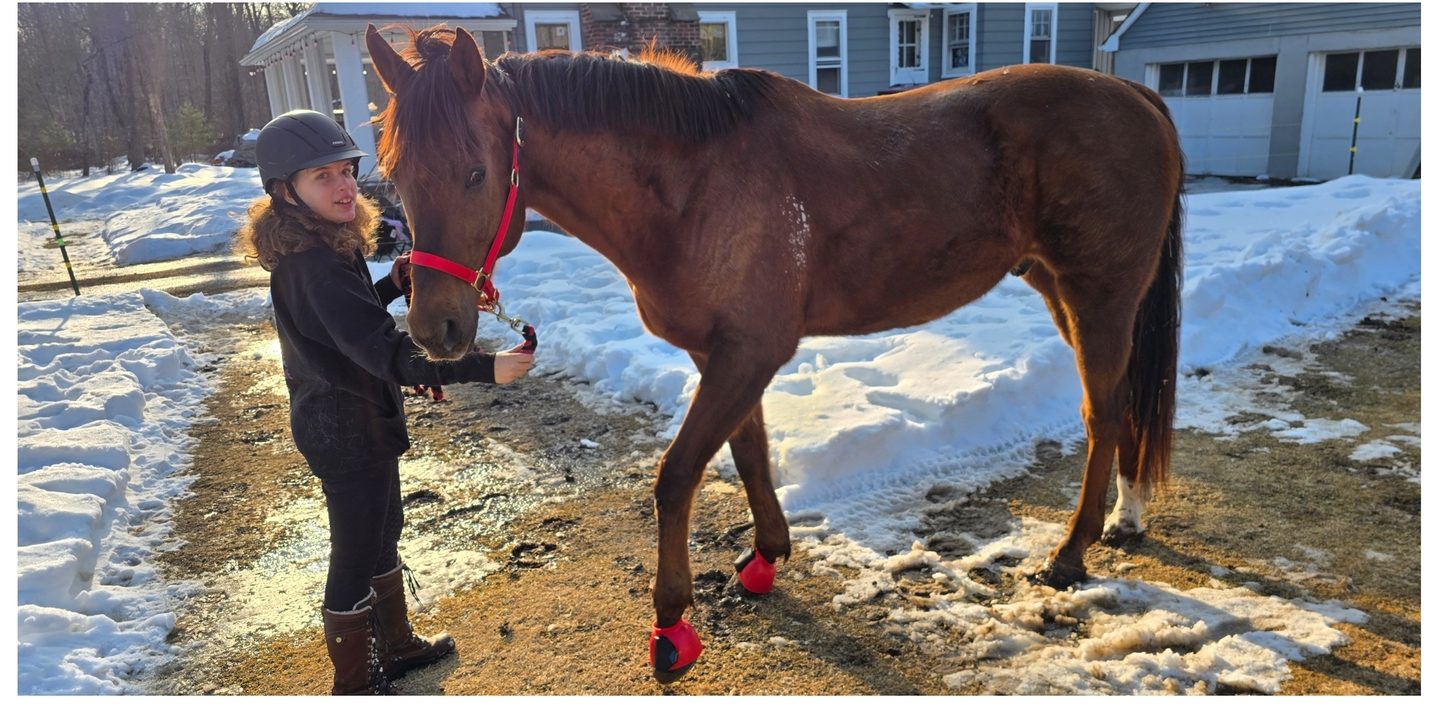
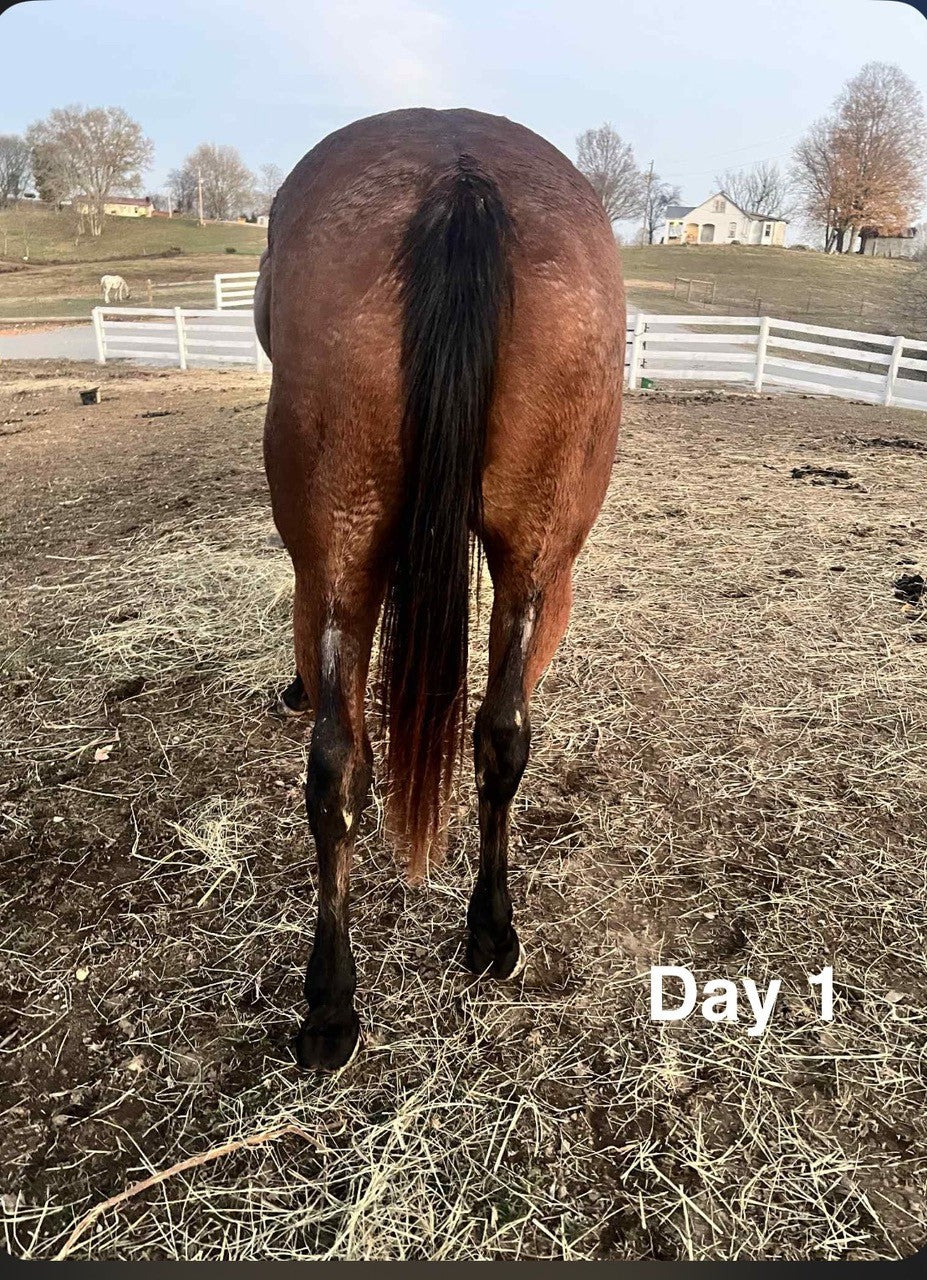
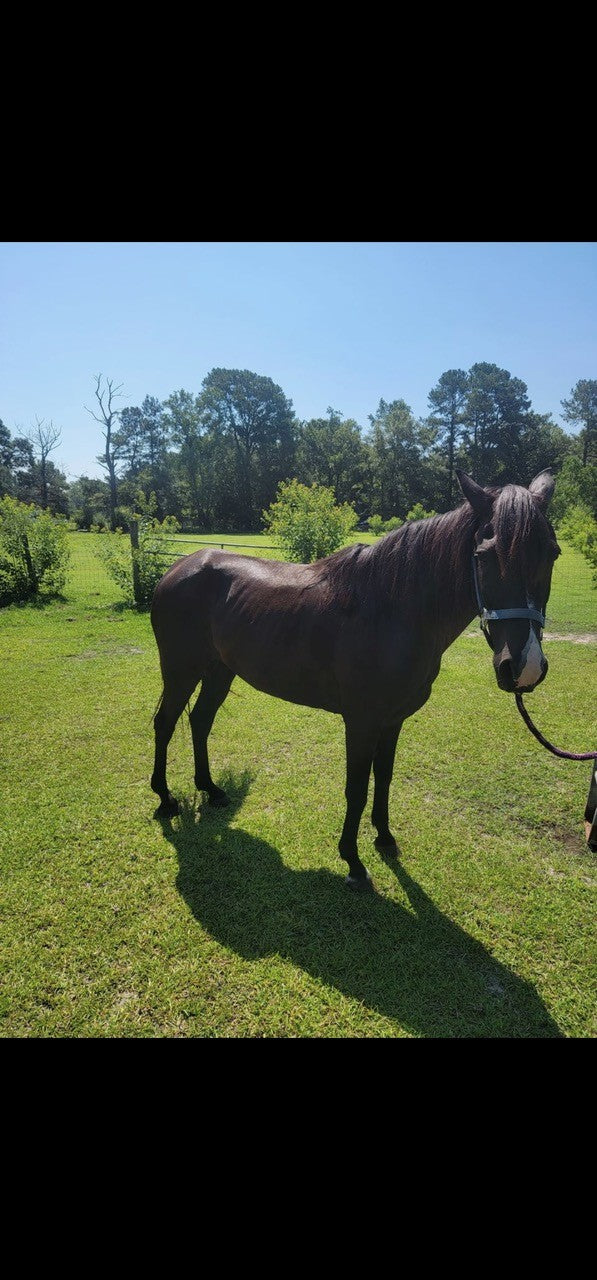
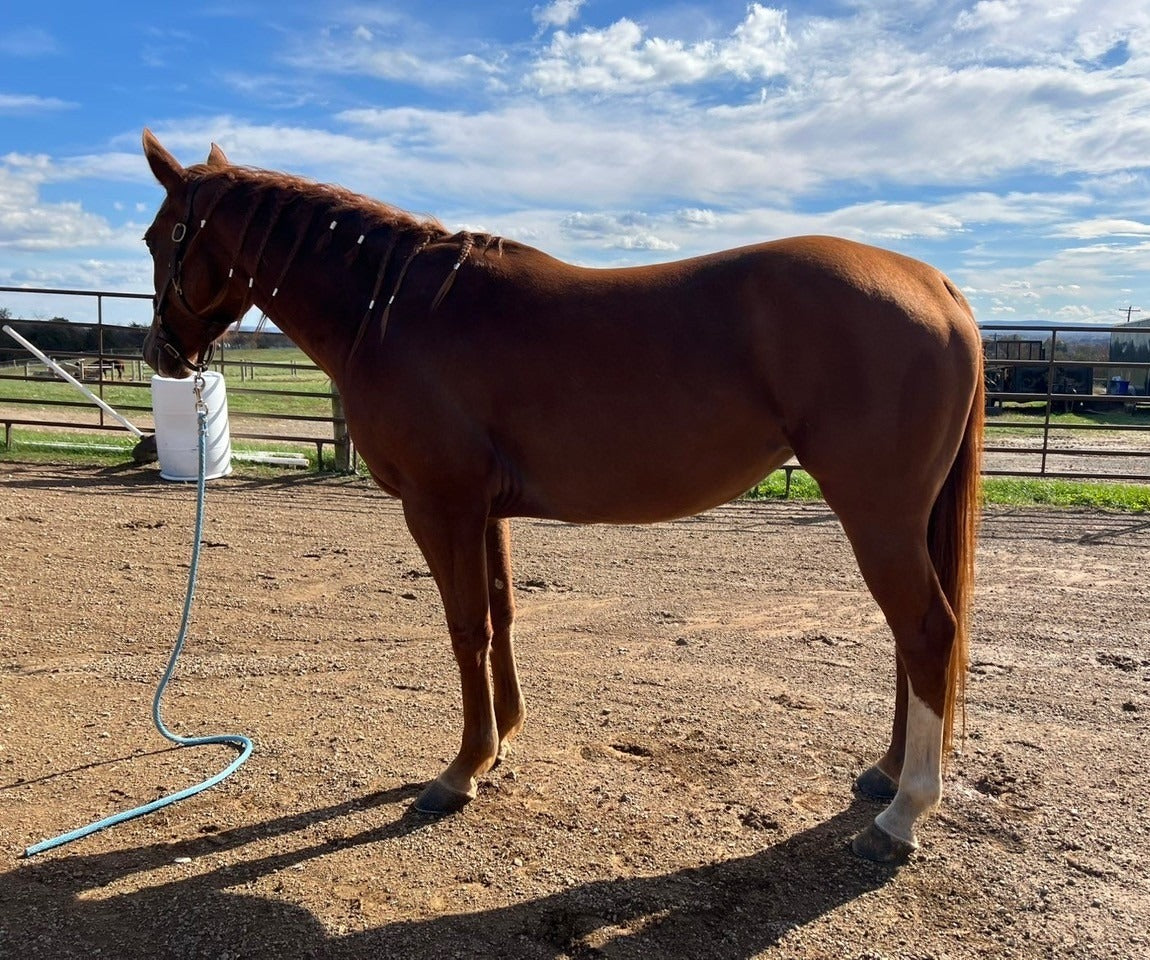
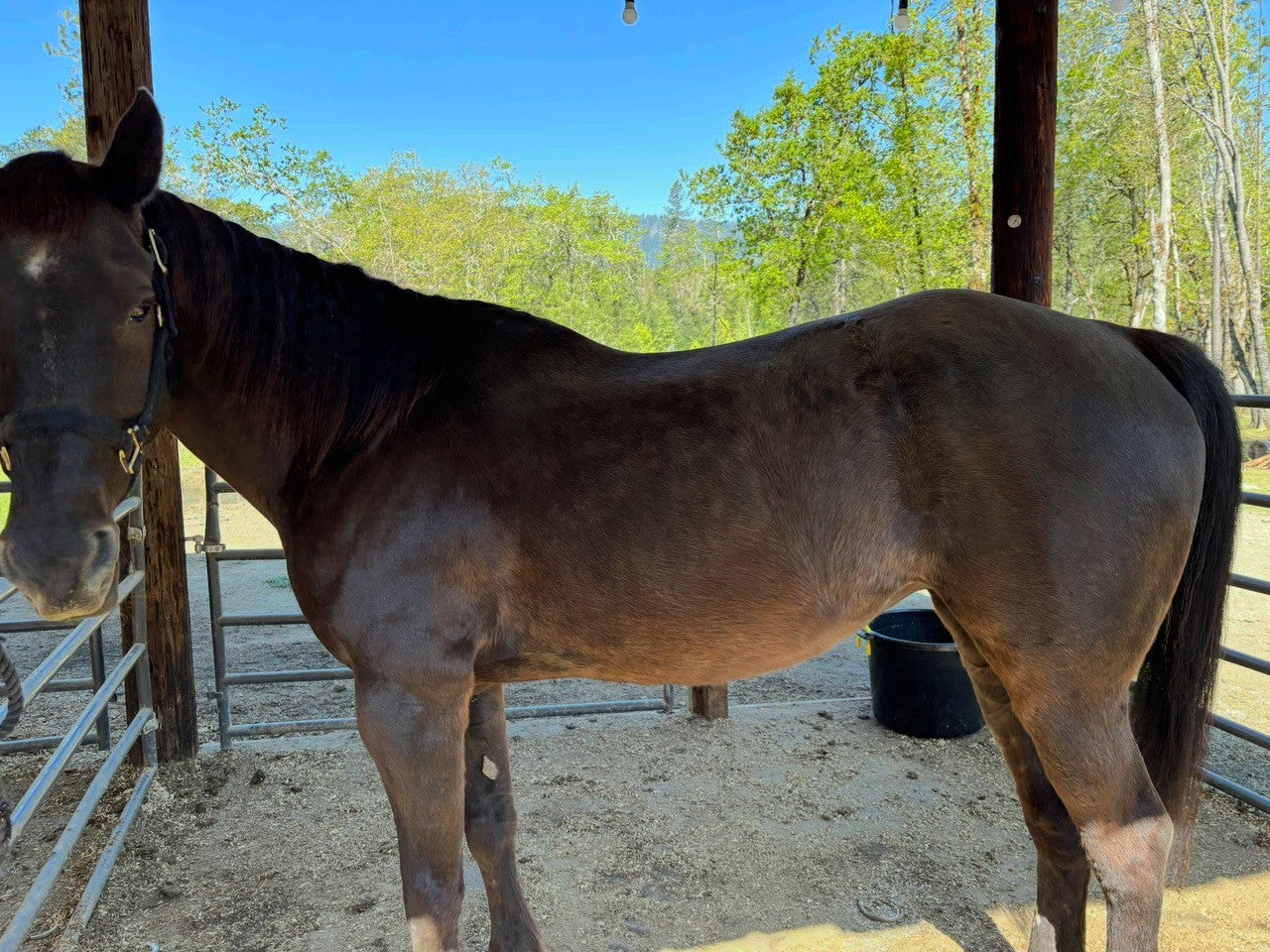
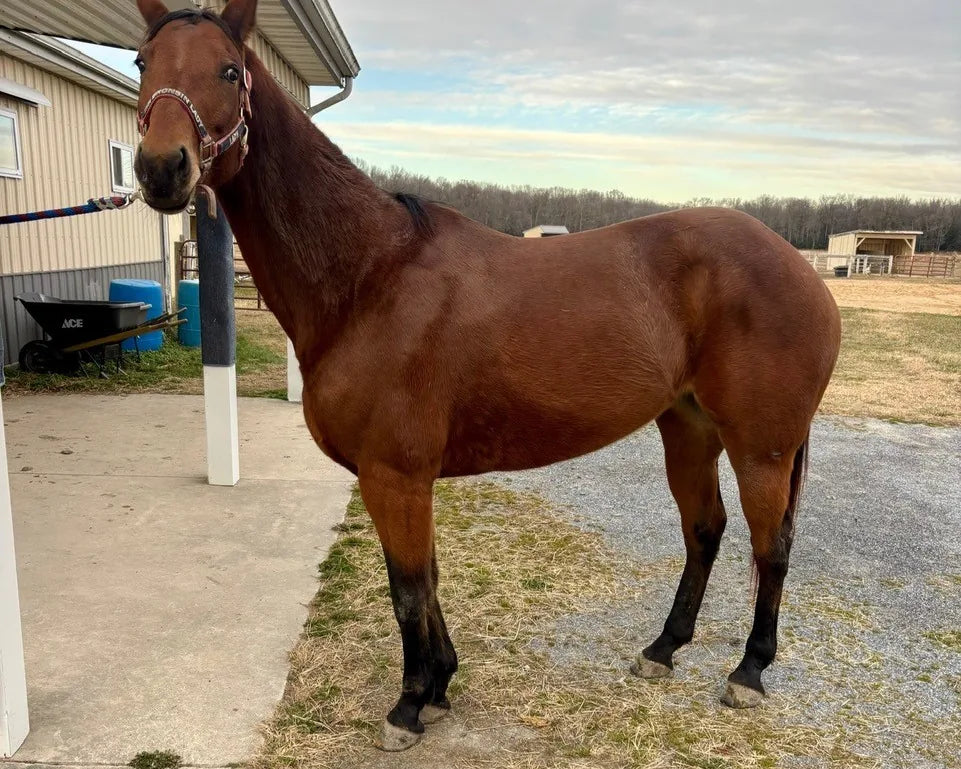
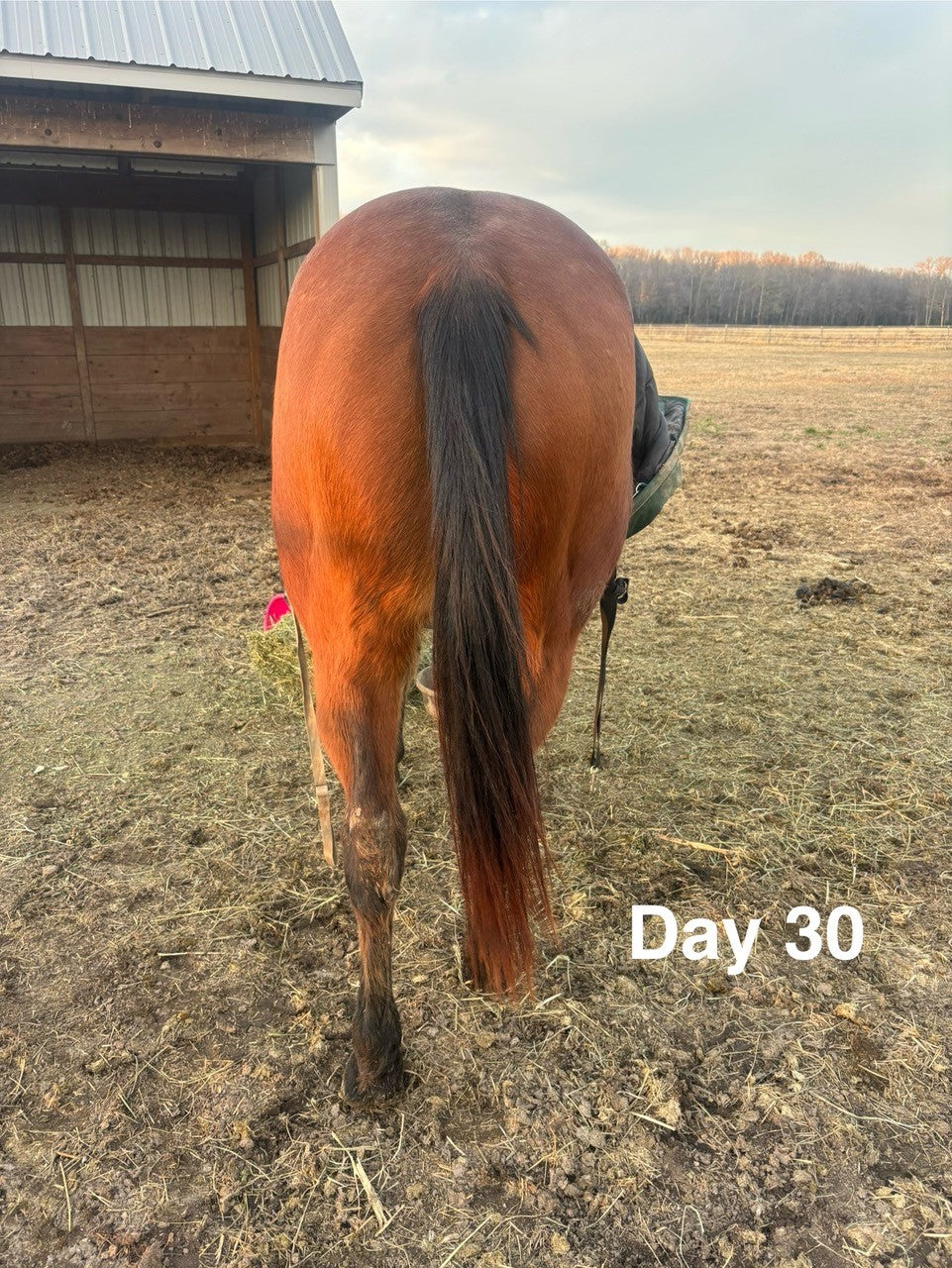
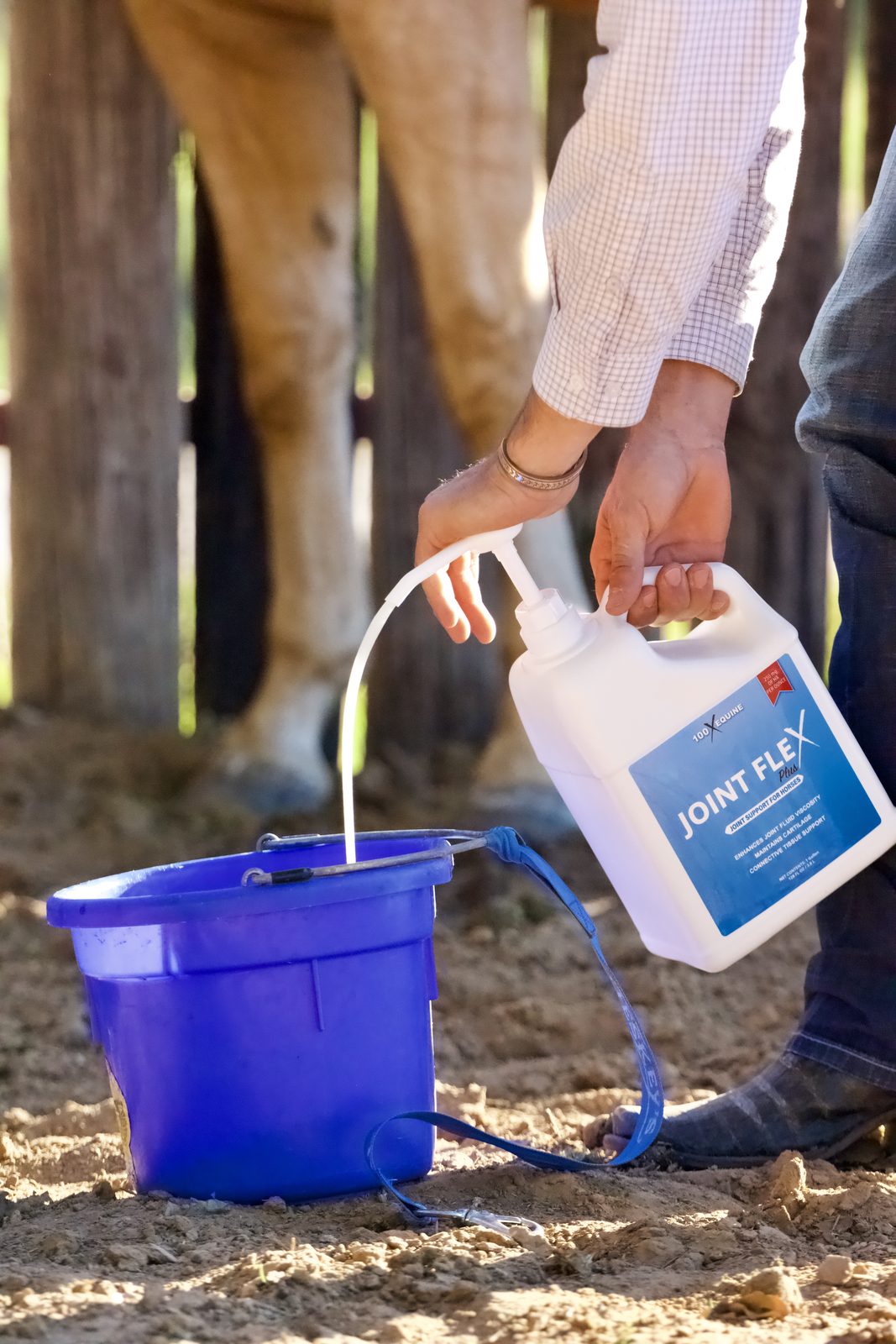
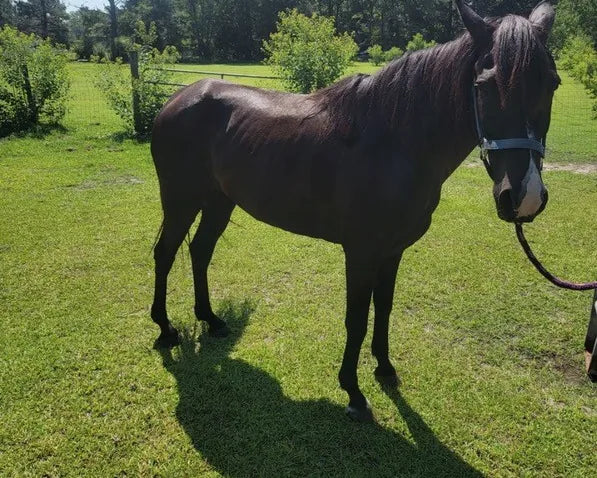
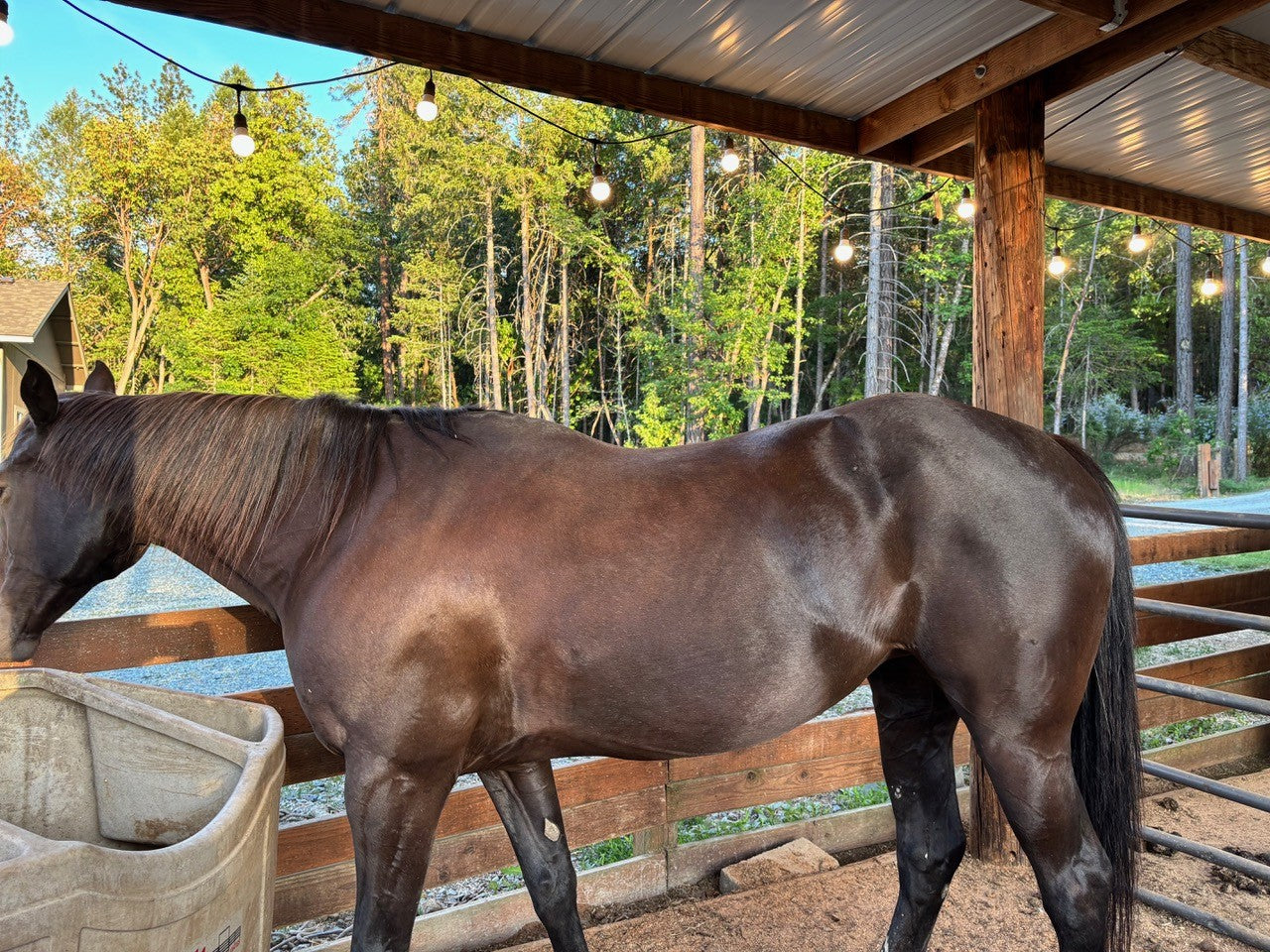
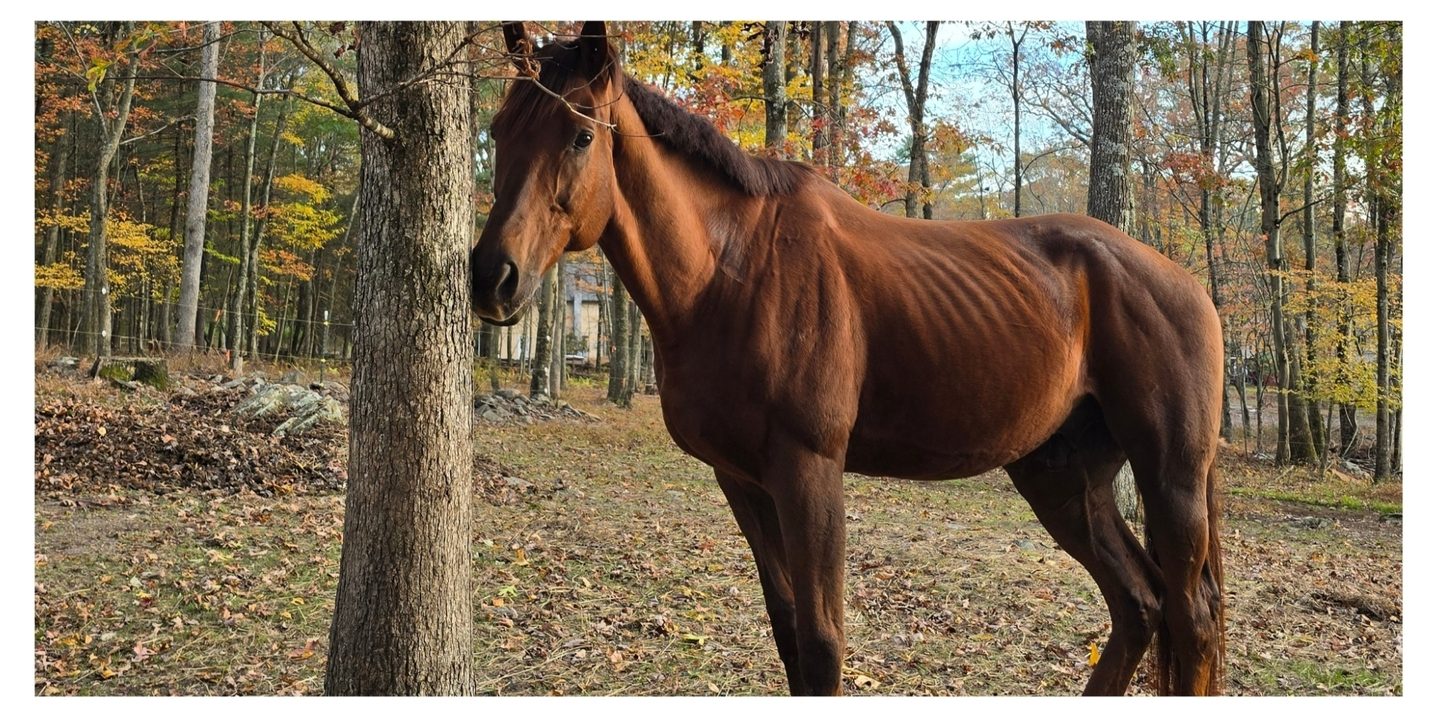
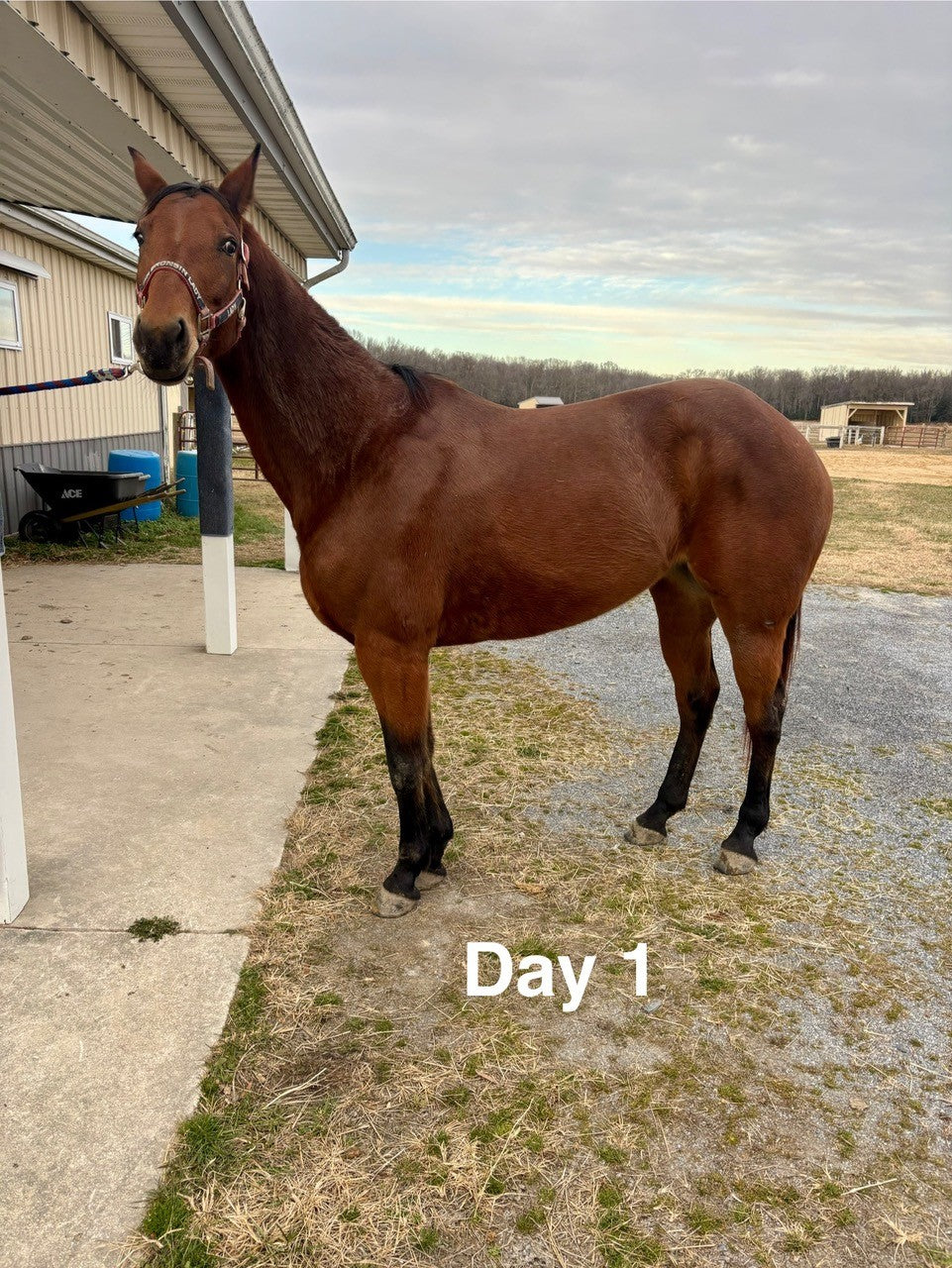
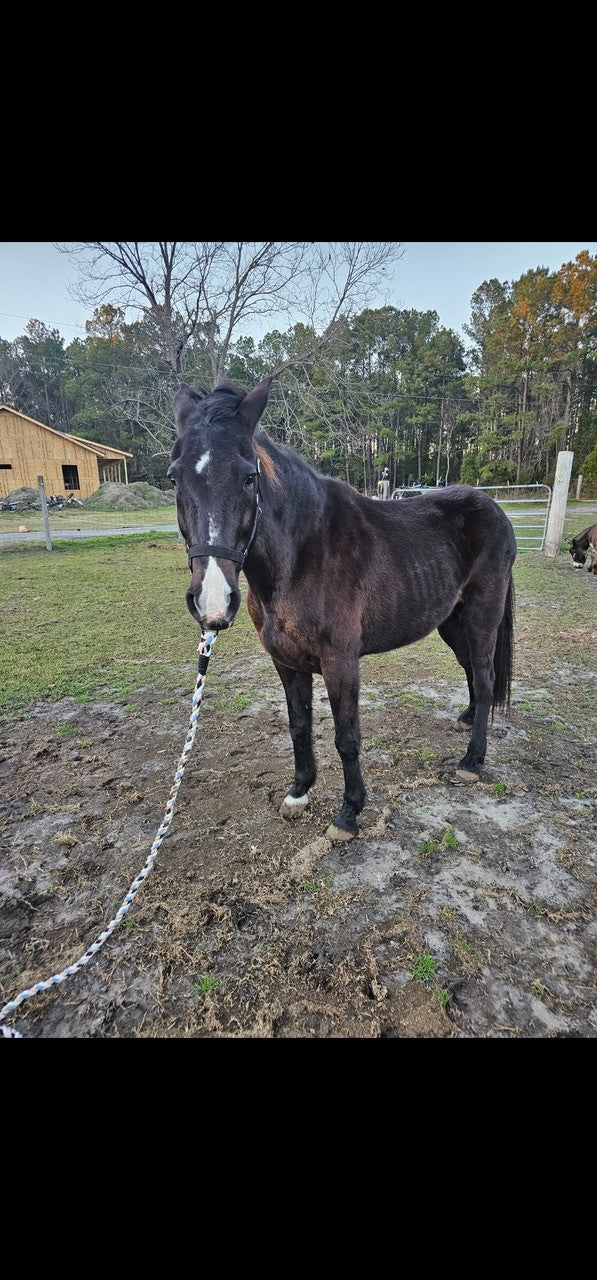
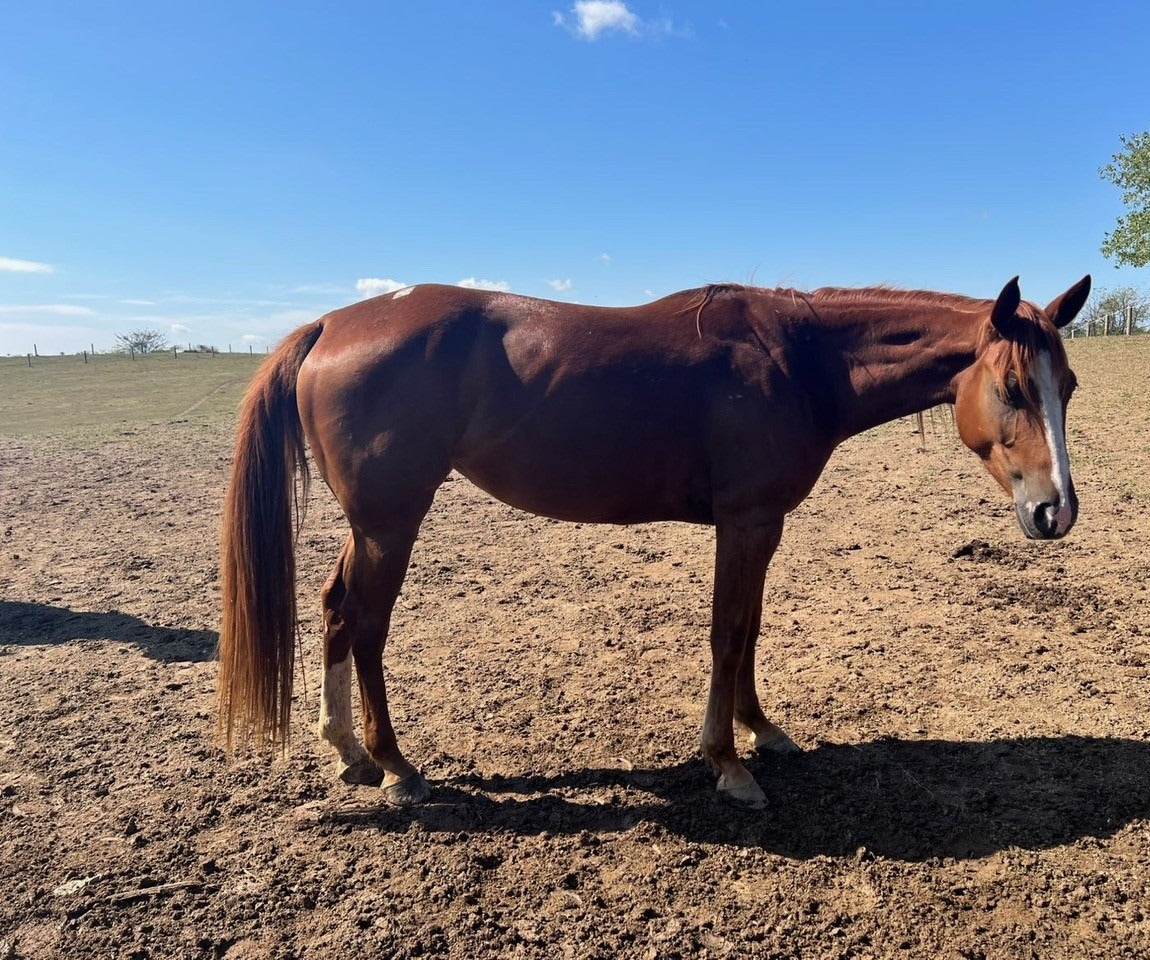
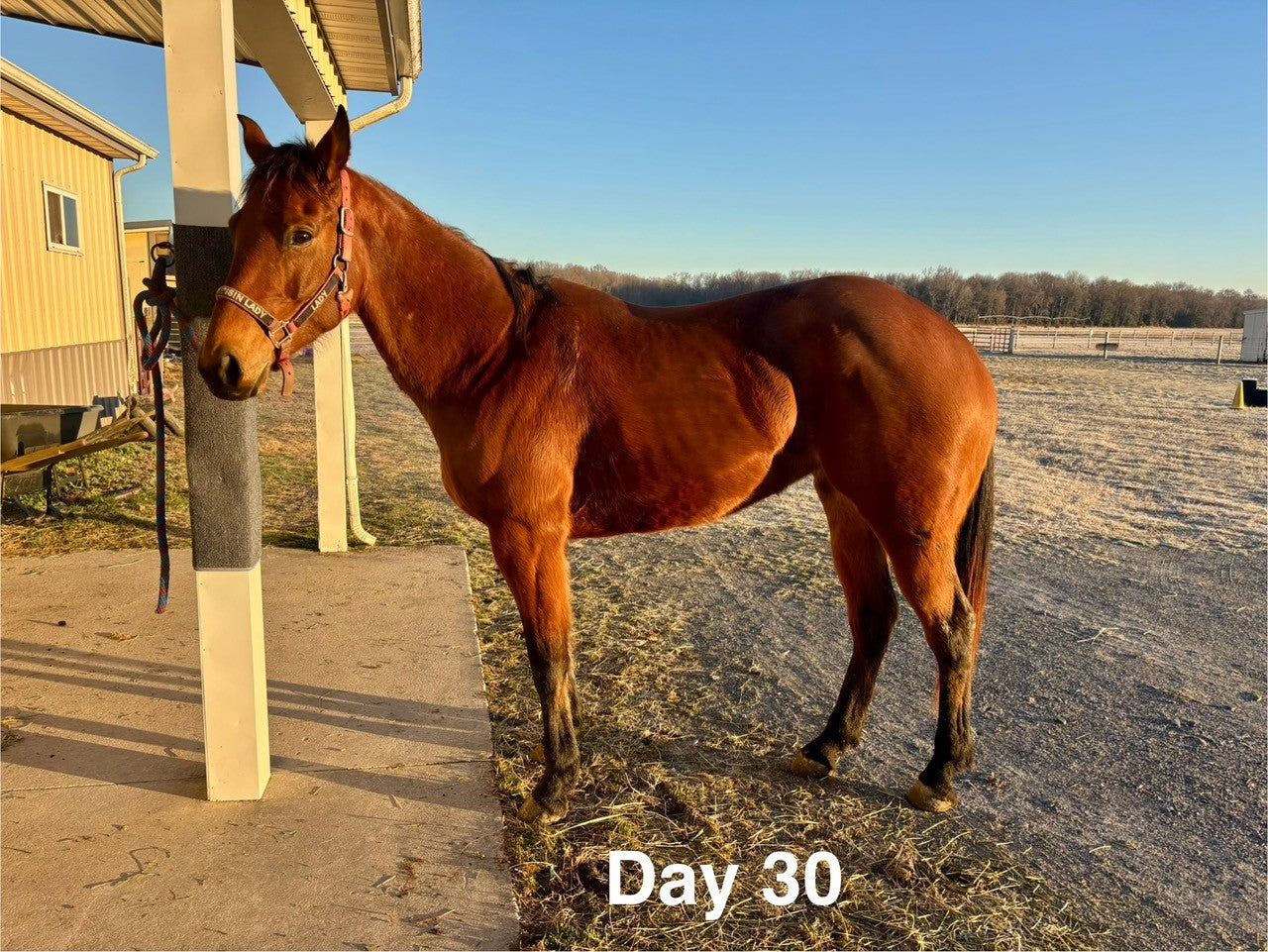
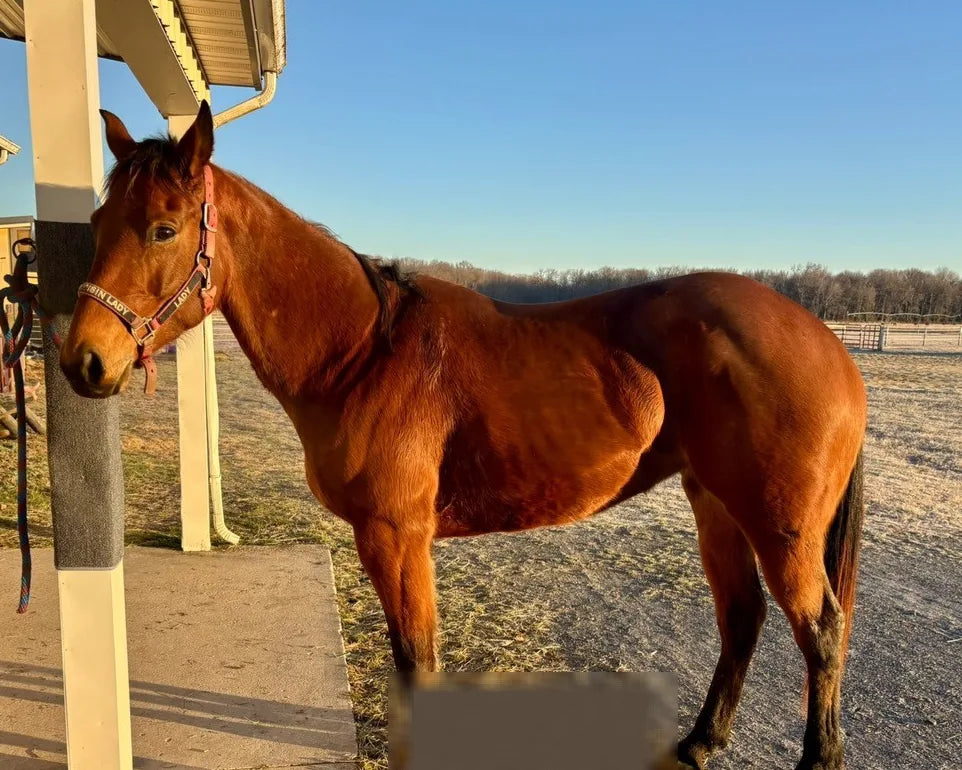
Real members, real horses, real results. Tag #100XEquine to be featured.

The Veterinary Standard Behind 100X Equine
Dr. Russ Peterson, DVM, MS, DACVSMR, Cert. ISELP brings nearly five decades of equine medicine, sport horse performance, rehabilitation, nutrition, and clinical decision-making to 100X Equine.
As Chief Veterinary Officer, Dr. Peterson helps guide the clinical thinking behind every 100X Equine formula, from ingredient selection to dosing strategy to how those actives are delivered inside the horse.
Hydra-MAX reflects that standard: five electrolytes replaced in the proportions equine sweat takes them, glucose and glycerol to carry the water and hold it in circulation, and 40,000 mg of creatine monohydrate a serving, the substrate working muscle actually runs on.
Rehydration is the price of entry. What separates Hydra-MAX is the 40,000 mg of creatine monohydrate in every serving, the substrate working muscle actually runs on.
Sodium, chloride, potassium, calcium and magnesium, in the proportions equine sweat actually takes them. Chloride is the largest loss and the one most often under-replaced.
Glucose drives sodium-coupled water transport across the gut wall. Glycerol holds that water in circulation instead of letting it pass straight through.
Creatine monohydrate at 4% of the formula. Standard in human sports nutrition for decades, and effectively absent from the equine electrolyte aisle.
Also per serving40,000 mg creatine monohydrate, 100,000 mg glucose and 40,000 mg glycerol: the substrate, plus the two components that carry the water in and hold it there. Amounts are per one 8 ounce scoop, as listed on the current Guaranteed Analysis panel. See the full panel.
1Peterson, R., DVM & Dietrich, DVM (2026). Post exercise hydration responses to an electrolyte, glycerol, and creatine supplement in horses: a preliminary study. BMC Veterinary Research 22:324. doi:10.1186/s12917-026-05493-w. Peer-reviewed.
No prohibited substances. Hydra-MAX is USEF and FEI compliant, so it stays legal for horses competing under both rule sets.
Feed it daily for 90 days. If you don’t see the difference, we refund you, with free shipping on every order.
Put any protocol on auto-delivery and lock in a better price on every order. Pause, skip, swap, or change your delivery dates anytime, fully in your control.
Stack more and save up to 40% off. Adjust anytime.
Electrolyte and hydration support for sweat, travel, and hot, hard days.
Bone density, joint integrity, and recovery for hard-working and aging horses.
Liquid gut health and immune support, the foundation every other protocol builds on.
Everyday joint flexibility and comfort for performance and senior horses.
Amino acids for topline, muscle, and a stronger frame under saddle.
Liquid calming support for focus and rideability, without the dullness.
Start with Hydra-MAX. Five electrolytes, glucose and glycerol to carry the water, and 40,000 mg of creatine a serving. Built on Dr. Peterson’s 47+ years of equine medicine.
Start with Hydra-MAXFeed it daily for 90 days. If you don’t see the difference,
we refund you.
90 day returns on every order. Keep feeding it, tell us it did not work, and we send the money back.


Plus 22,000 mg chloride, 14,000 mg sodium, 40,000 mg glycerol, and potassium, calcium and magnesium. Eight actives, one scoop.

Electrolytes, glucose, glycerol and creatine. Built for sweat days, travel days and heat.
$2.94/serving
Save up to 24% Today
FREE delivery —. Order within —
Every amount is on the label, per serving, with the peer-reviewed work behind it listed below. No proprietary blend: this is a guaranteed analysis.
One 8 oz scoop per serving. Stir it into the trough and it is already in solution before your horse drinks it, or top-dress the ration.
Fast acting. It encourages drinking within about 30 minutes of feeding, which is the point: the horse who needs water most is often the one who will not touch the bucket.
Every product in this category replaces sodium. The question is what else it does, and whether it gives the muscle anything back.
Equine sweat is hypertonic: it carries a higher concentration of electrolytes than blood does1,2. A sweating horse therefore loses proportionally more salt than fluid, and plain water dilutes what is left rather than replacing it.
Water+Electrolytes+Cellular absorption
Which happens only when all three fluid compartments are balanced: intracellular inside the cells, extracellular around them, and intravascular in the bloodstream. Water alone fills one of the three.
This is also why a dehydrated horse can stop drinking. Thirst is driven by the salt concentration of the blood, so lose salt and water together and the signal never rises. The horse who needs water most is the one who will not touch the bucket. Put the salt back and the thirst comes back with it.3,4
Rehydration is the price of entry. What separates Hydra-MAX is the 40,000 mg of creatine monohydrate in every serving, the substrate working muscle actually runs on.
Sodium, chloride, potassium, calcium and magnesium, in the proportions equine sweat actually takes them. Chloride is the largest loss and the one most often under-replaced.
Glucose drives sodium-coupled water transport across the gut wall. Glycerol holds that water in circulation instead of letting it pass straight through.
Creatine monohydrate at 4% of the formula. Standard in human sports nutrition for decades, and effectively absent from the equine electrolyte aisle.

Nearly five decades of equine medicine, sport horse performance, rehabilitation and nutrition. Hydra-MAX reflects that standard: a guaranteed analysis rather than a proprietary blend, salt forms chosen for osmolality and gut tolerance, and the one ingredient in this category nobody else includes.
One scoop on the days that ask for it. Feed it for 90 days, and if your horse is not doing better, we refund you.
Subscribe & SaveFree shipping. Pause, change or cancel anytime.