

Nutrition your horse can utilize
Every 100X formula is delivered in a liquid form, engineered for better dispersion and biological usability, with up to 99% availability1,2. Most powders & pelleted products face assimilation barriers from particle size limitations, polarity, solubility, aggregation, and matrix binding, resulting in bioavailability as low as 2.5%3.

The ingredient matters.
The form determines how it works.
Horses are hindgut fermenters, built to thrive on fiber fermentation. But non-fiber supplement ingredients must release, disperse, and become biologically available before they reach the hindgut. If a powder or pellet doesn’t break down in time, the active will most likely be fermented, bound, degraded, and/or excreted instead of assimilated.This is the REAL Difference.
That’s why 100X starts with a unique Liquid Delivery System
Most supplements pass straight through. Gut X goes to work on contact.
Powders & pellets must first break apart, hydrate, and disperse into usable surface area inside a moving gut. It’s a slow, variable process, and most of it never counts. Gut X is liquid and pre-dispersed, so its actives are ready the moment they reach the gut wall: the hyaluronan works on contact, and the β-glucan binds the immune receptors lining the gut. No breakdown step to lose. It goes to work where it lands.
Nearly all of it counts. Powders & pellets struggle to break down and pass through unused, while liquid Gut X arrives ready and goes to work at the gut wall on contact.
Formulated by Dr. Russ Peterson, DVM, MS, DACVSMR, ISELP, drawing on 47+ years of equine medicine, surgery, and nutraceutical research and development.
Up to $20K in Colic Surgery Reimbursement with an active Gut X subscription, so you can feed with total peace of mind.

One pump of liquid, where powders quit.
Peer-reviewed β-glucan and hyaluronan in a proprietary liquid carrier, stabilized, suspended, and pre-dispersed so every dose lands ready. No breakdown step, no clumping in the bottom of the bucket, no guessing whether your horse actually ate it, just actives that go to work the moment they reach the gut.
- ✓Up to 99% biologically available, working at the gut wall on contact
- ✓One pump per dose, accurate every time, USEF / FEI compliant
- ✓Subscriptions activate $20,000 Colic Surgery Coverage
Dr. Peterson’s two-phase protocol
Load for the first 30 days with 2 pumps a day, then settle into a once-daily maintenance pump. Two pumps a day is recommended for stressful situations, like travel, weather changes, pasture mate changes, and show preparation.
Why form is the whole game.
The active ingredients aren’t the differentiator, delivery is. Here’s how liquid stacks up against the dry supplements in most feed rooms.
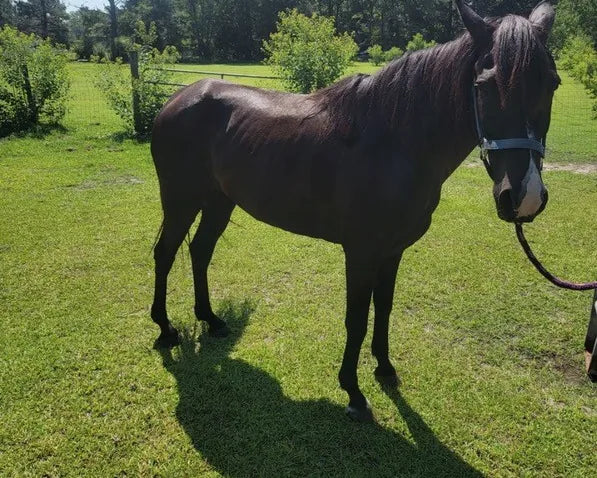
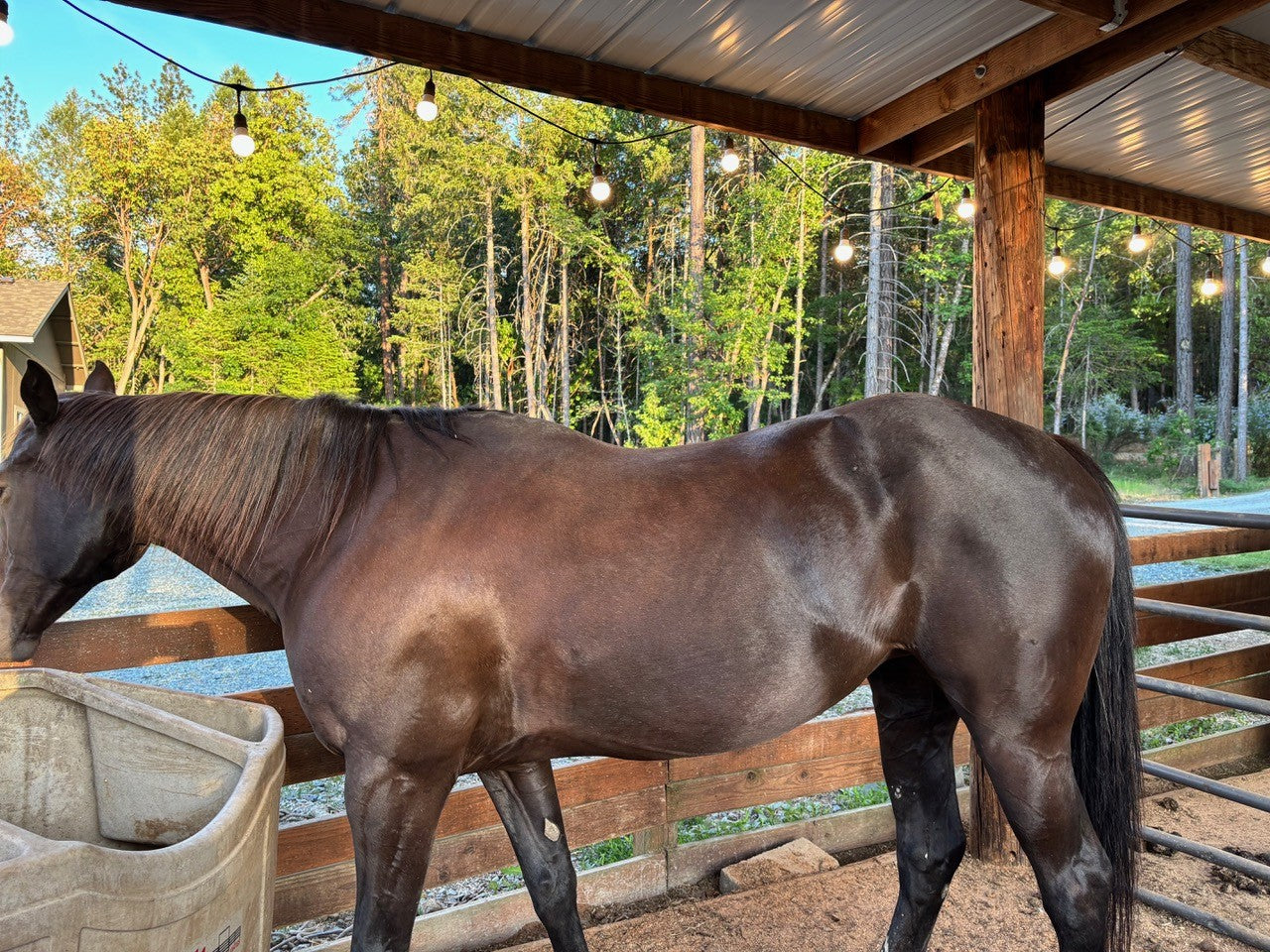
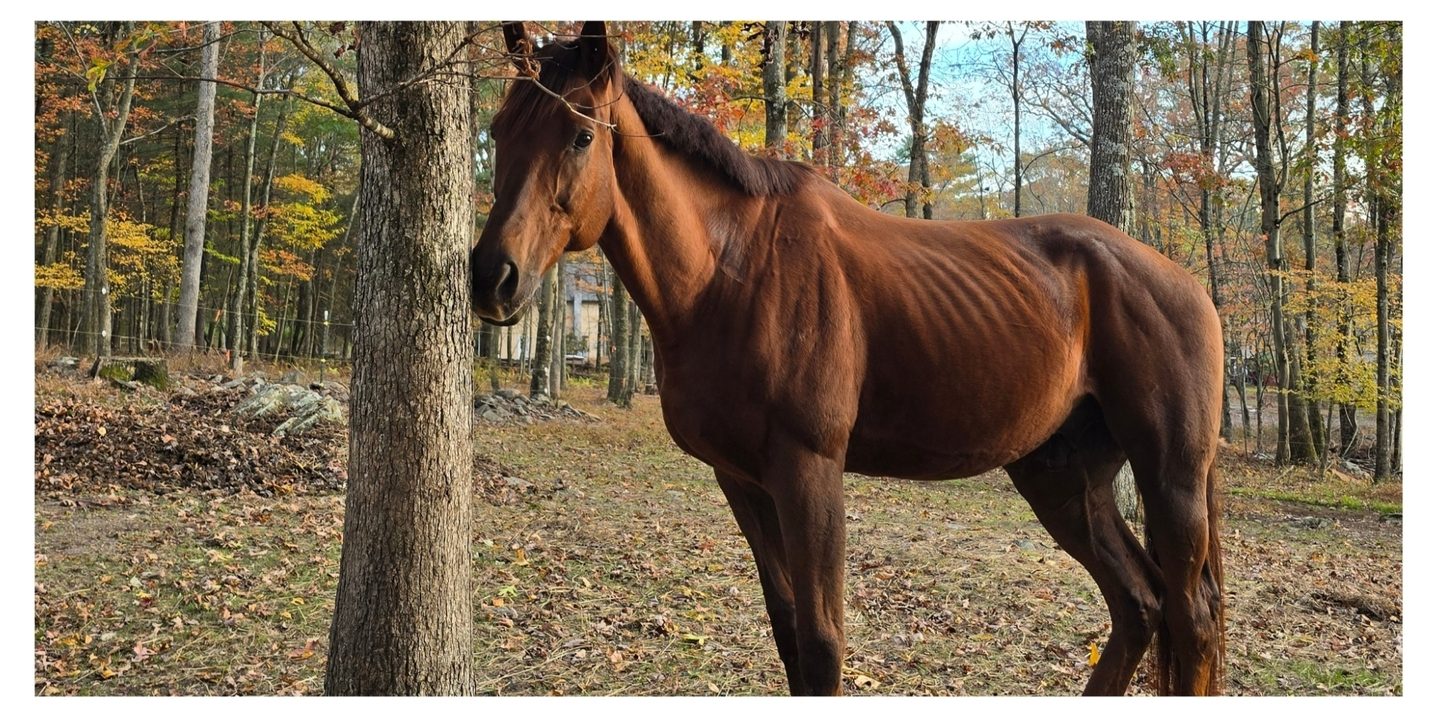
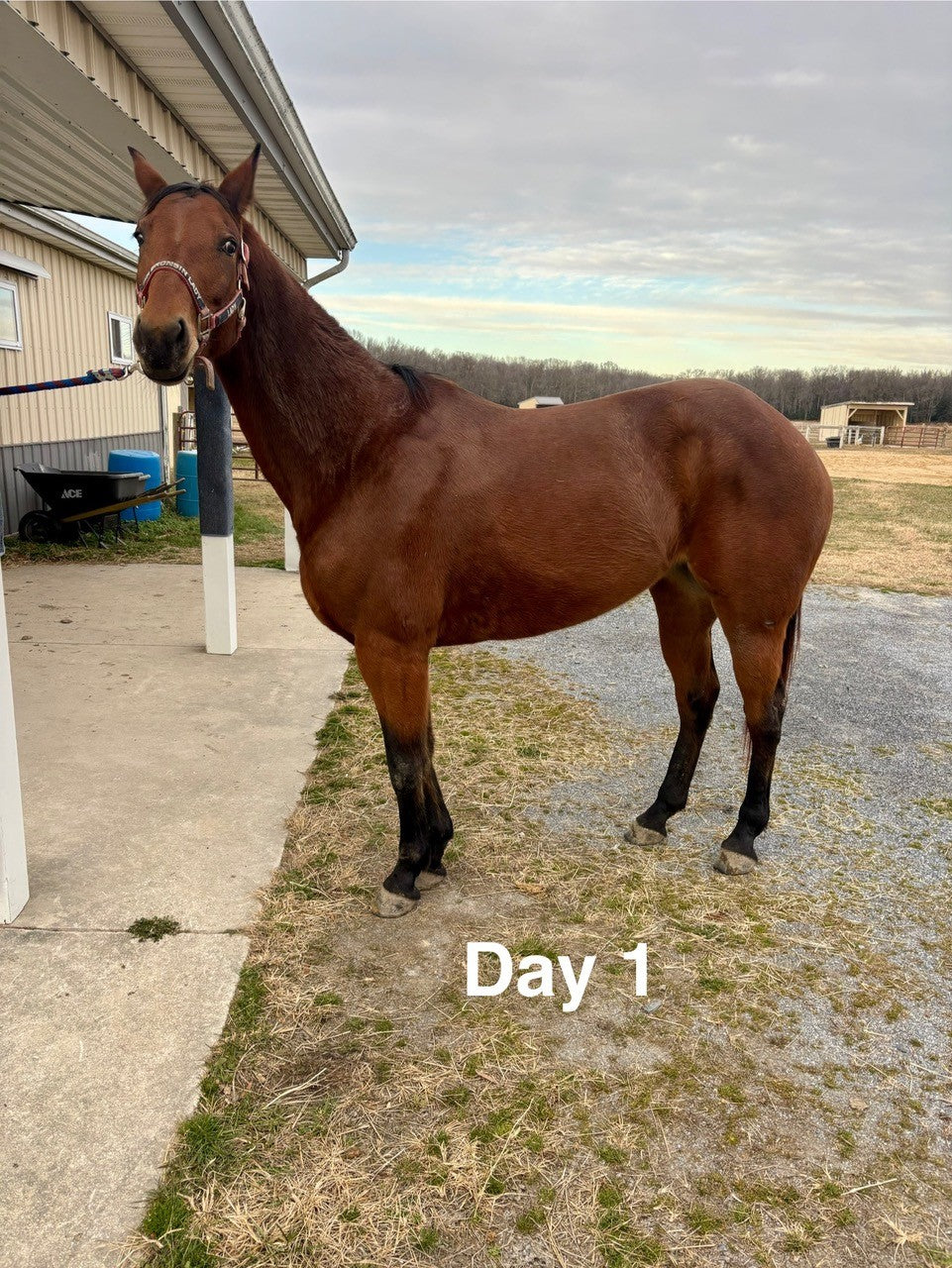
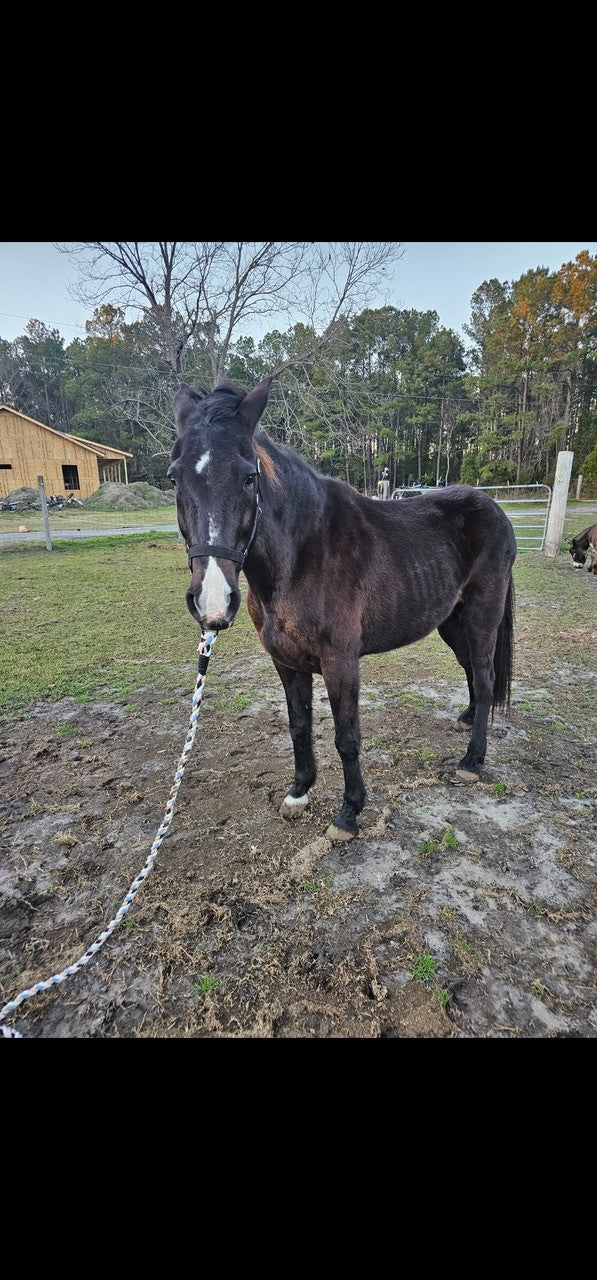
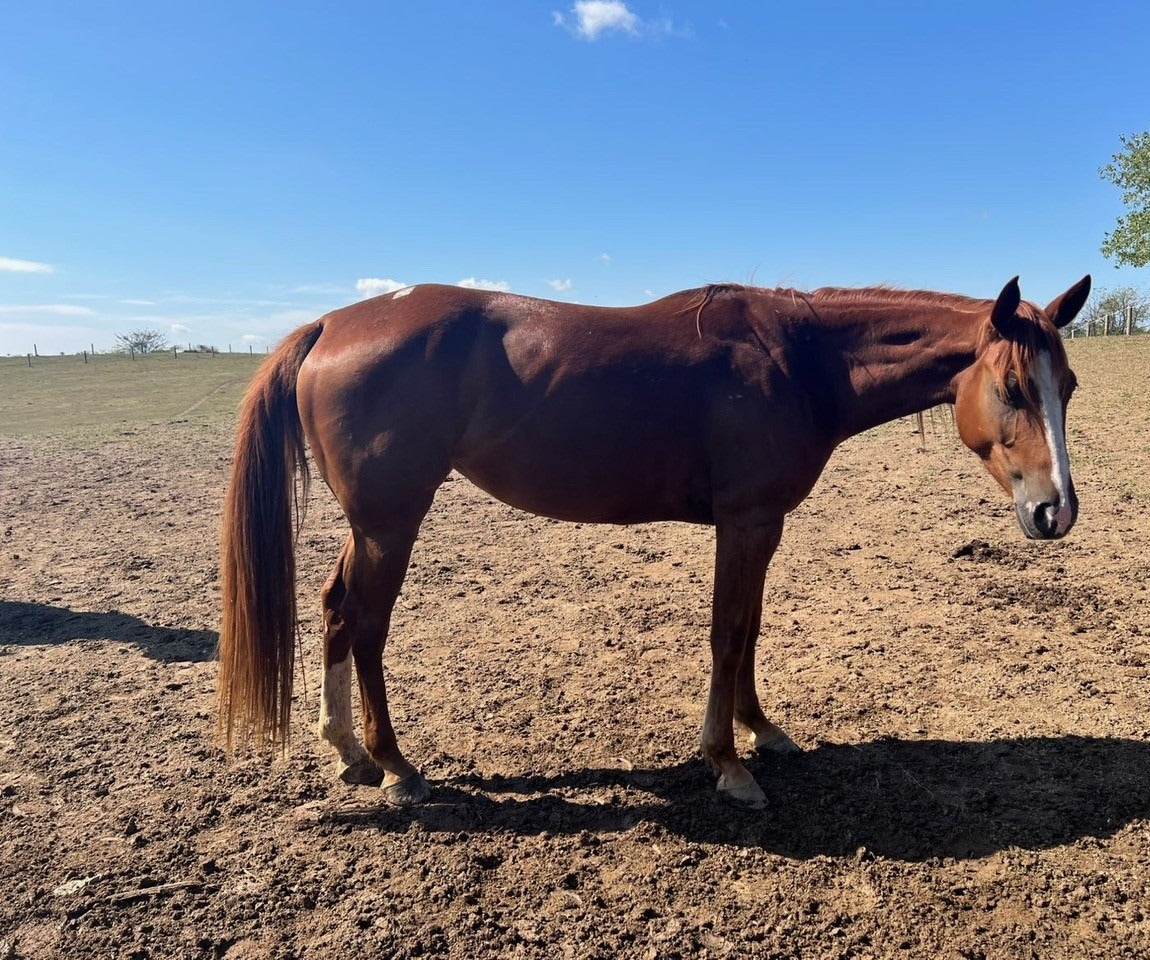
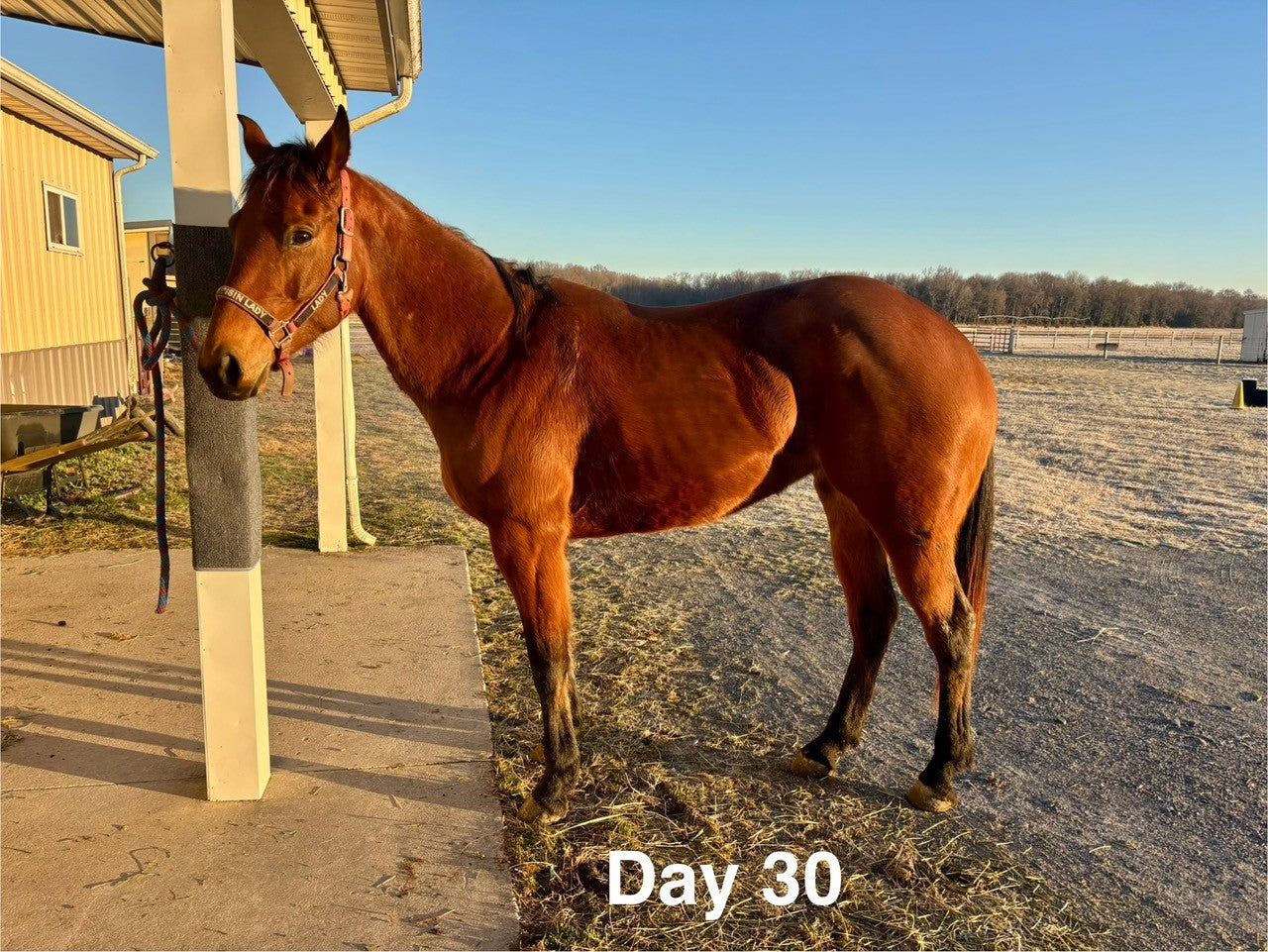
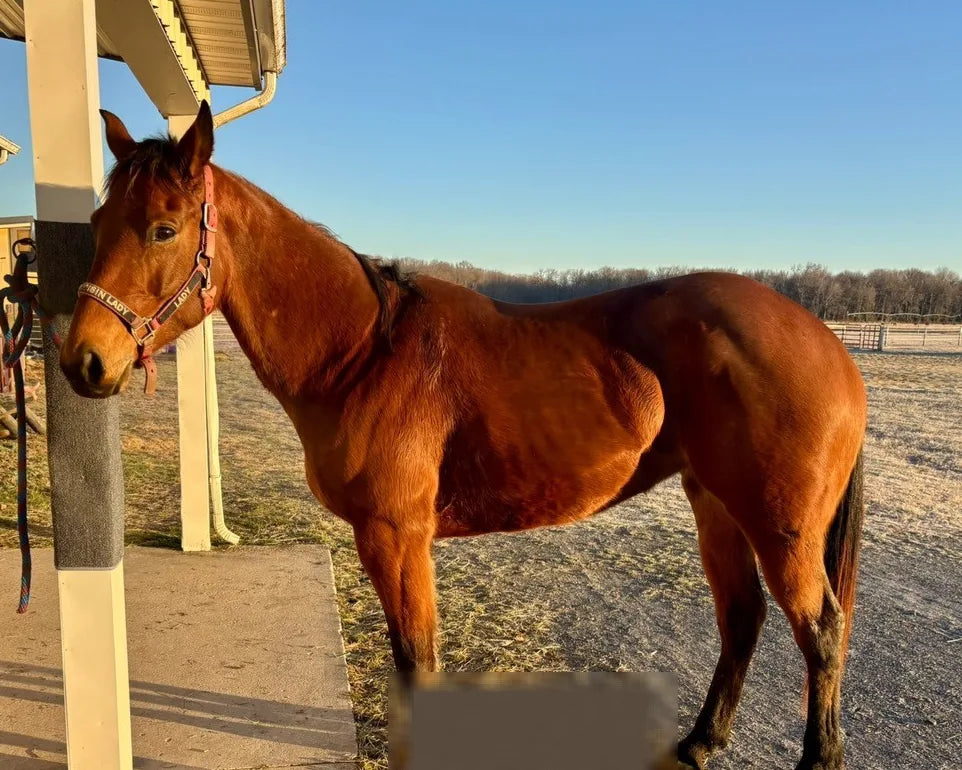
112,000+ horses. Here are a few of them.
Real members, real horses, real results. Tag #100XEquine to be featured.
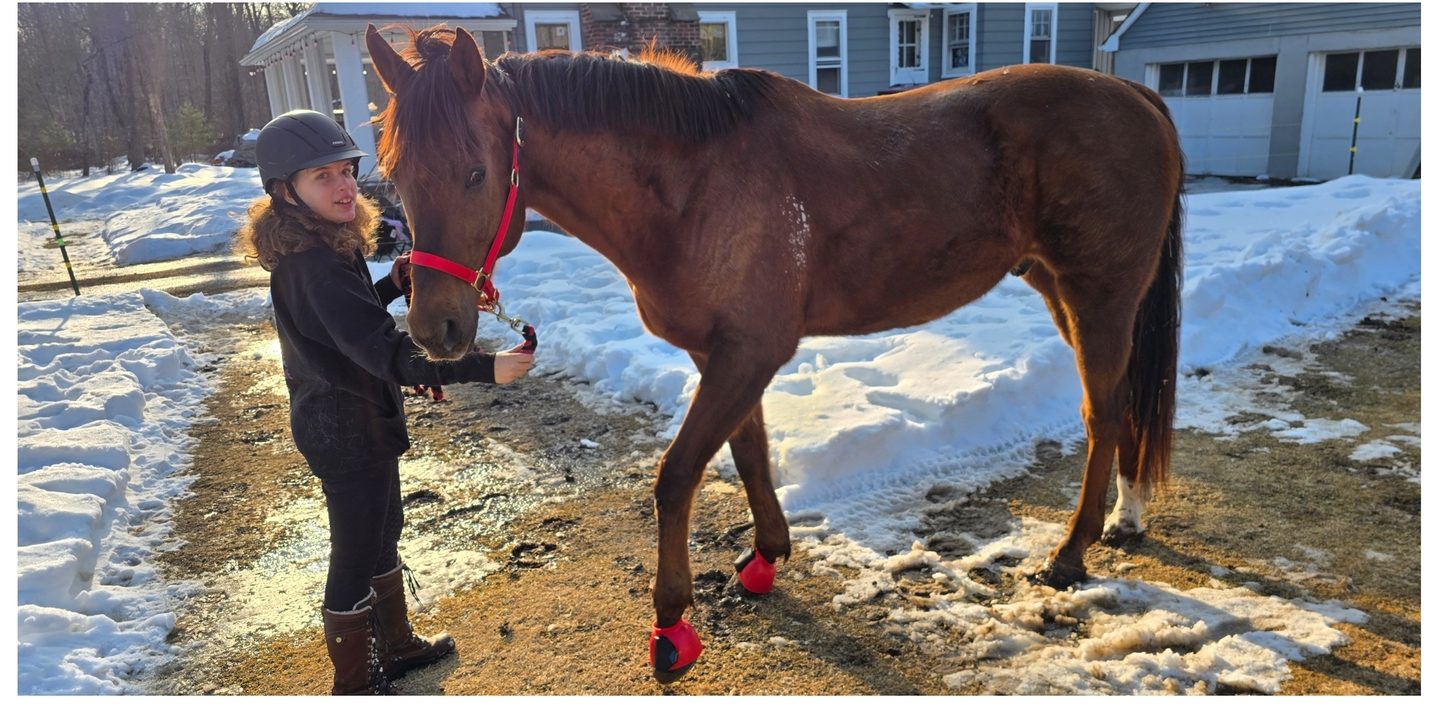
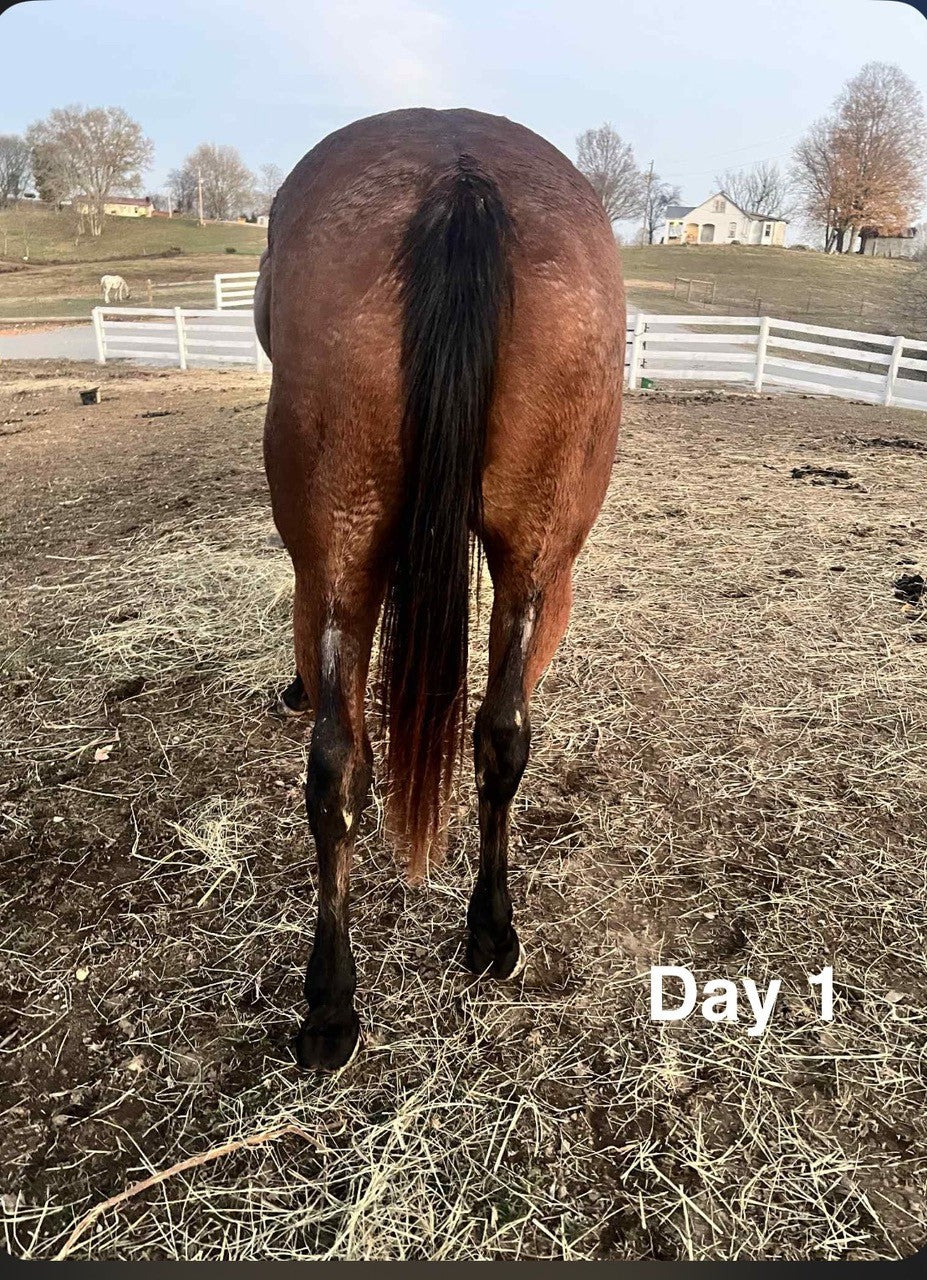

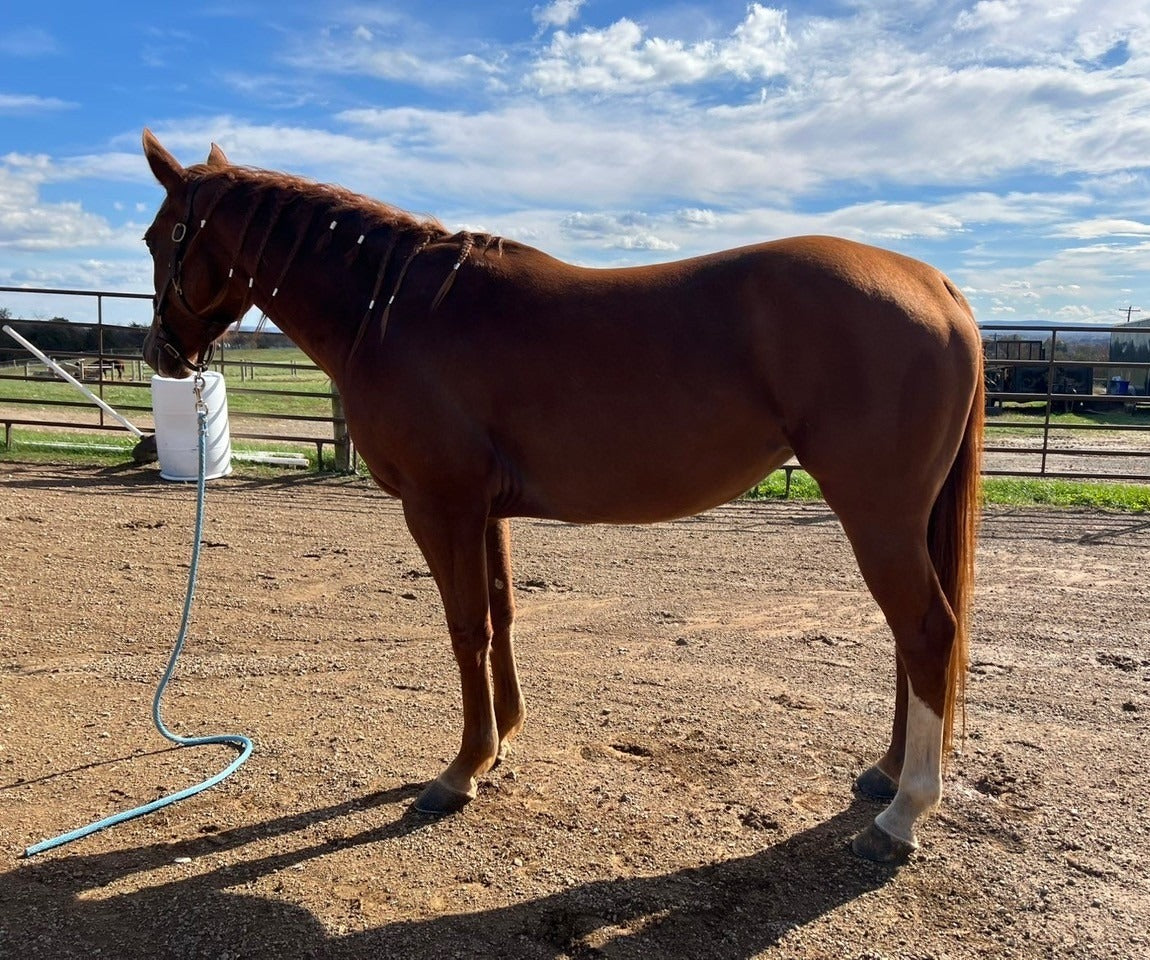
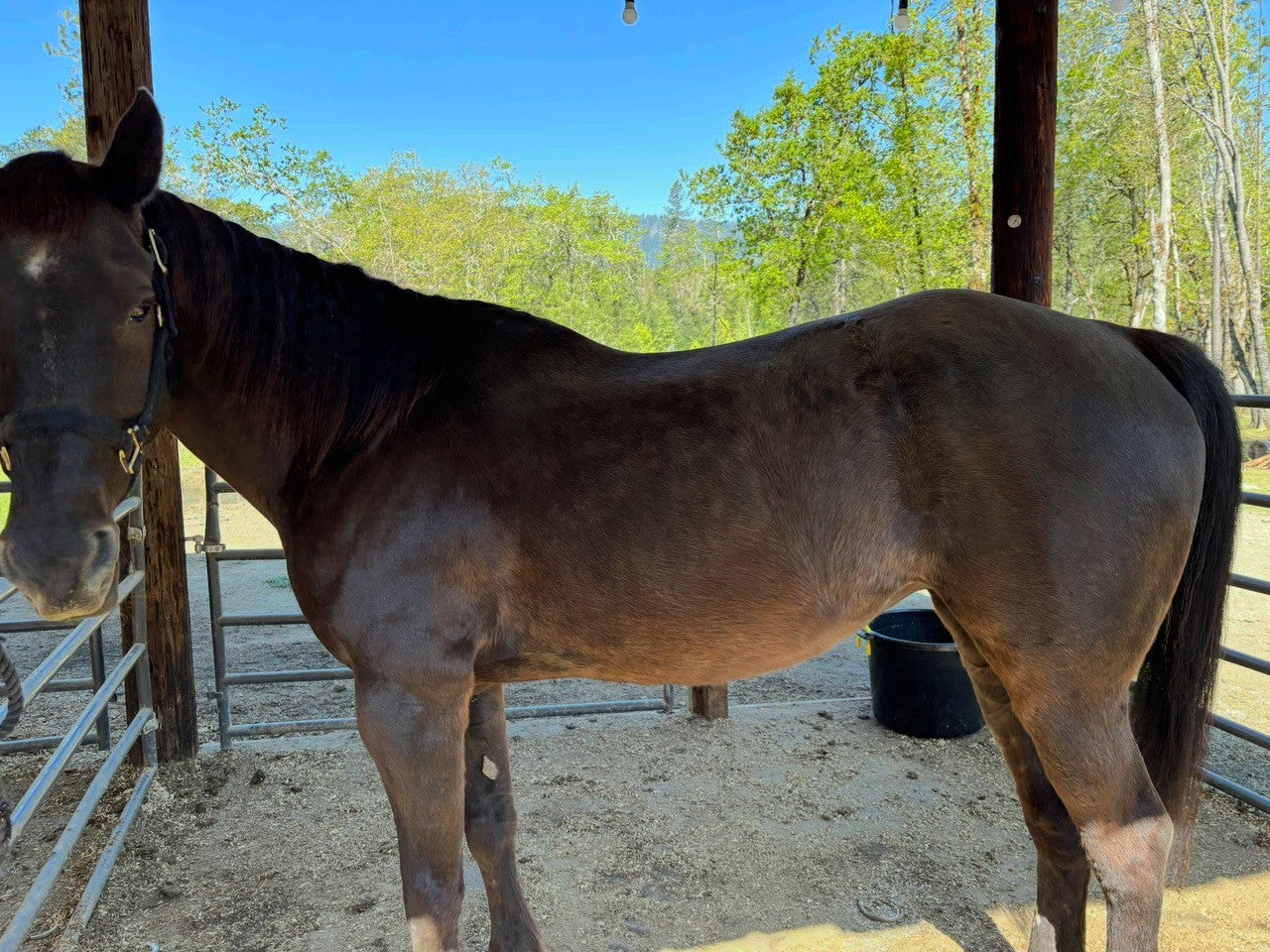
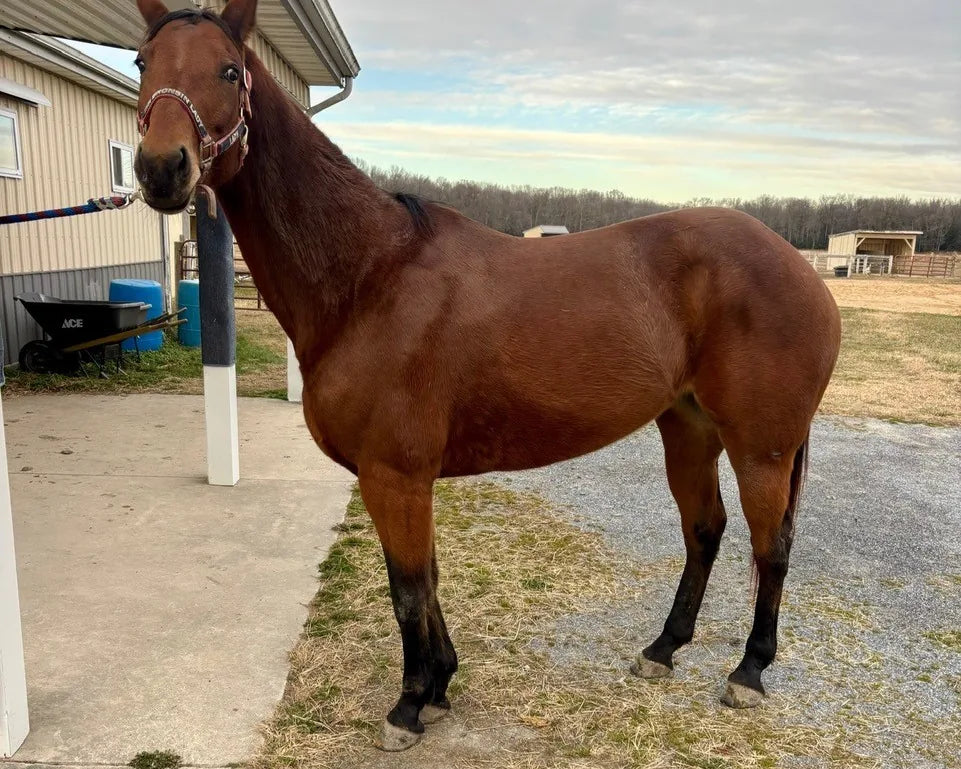
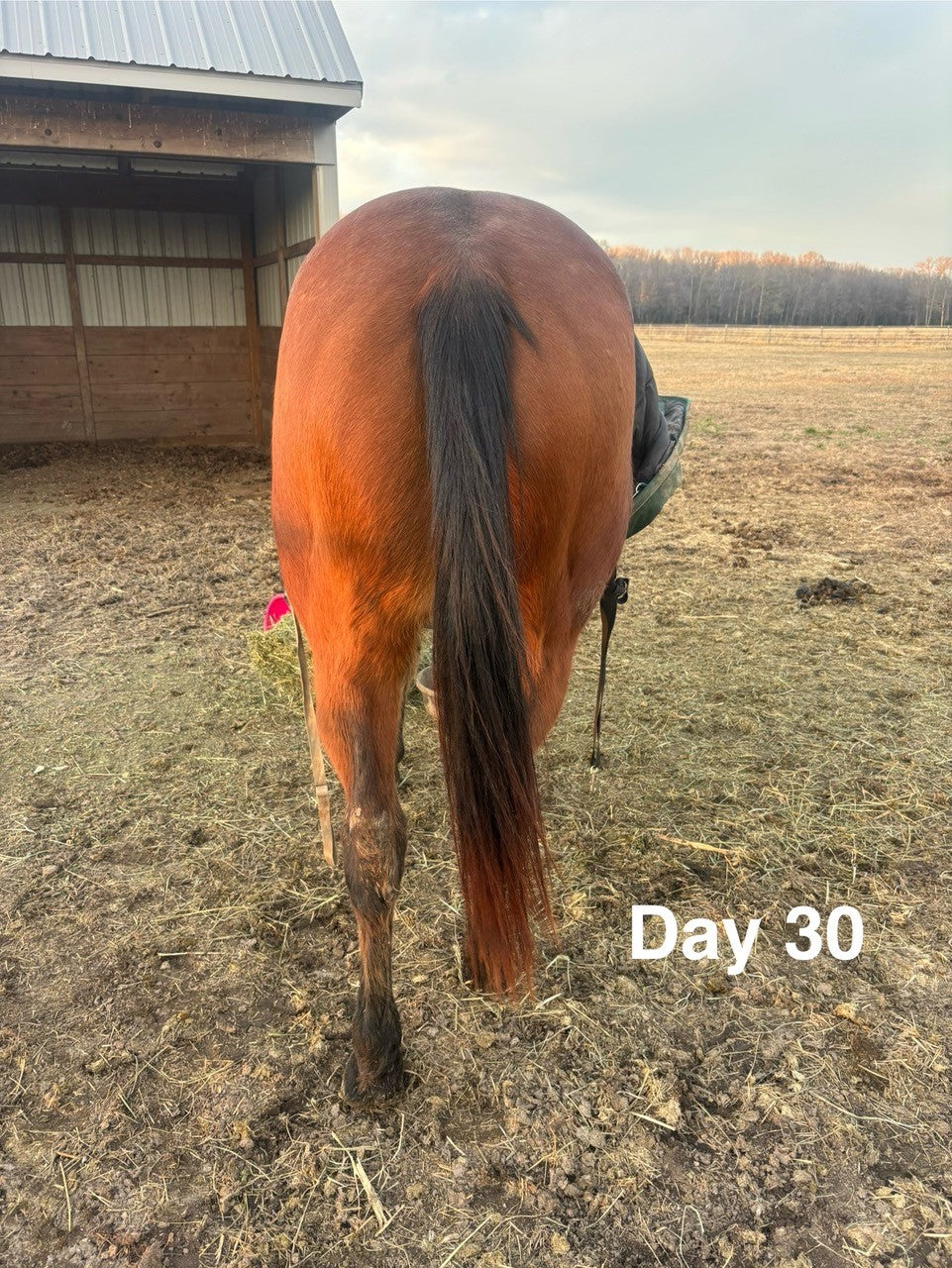
One liquid system. Every part of the horse.
Every protocol is the same liquid delivery Gut X is built on, formulated by Dr. Peterson, dosed by the pump. Start with the gut, then build the stack your barn needs.
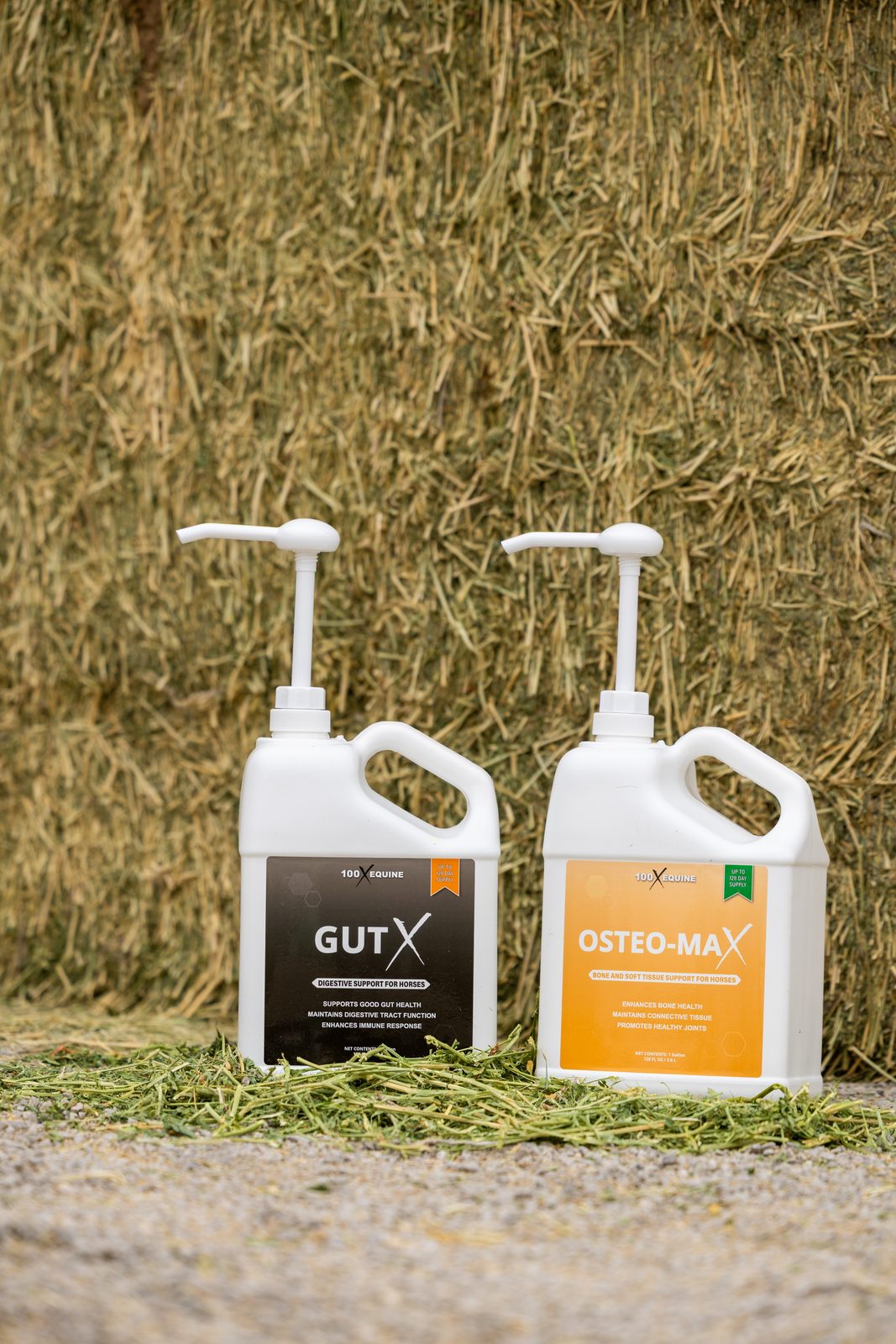
Gut X
Liquid gut health and immune support, the foundation every other protocol builds on.
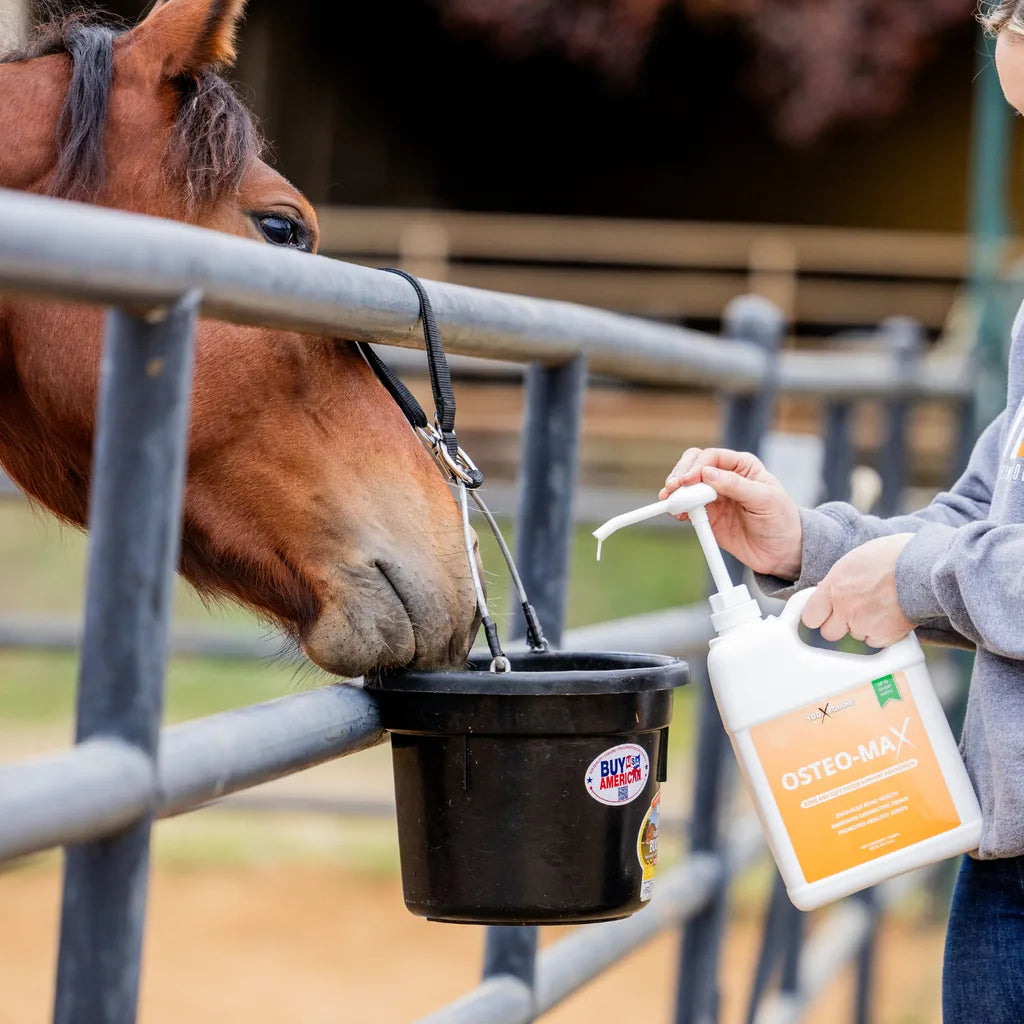
From $0.63/dayShop → Joint, Soft Tissue & BoneOsteo-MAX
Bone density, joint integrity, and recovery for hard-working and aging horses.
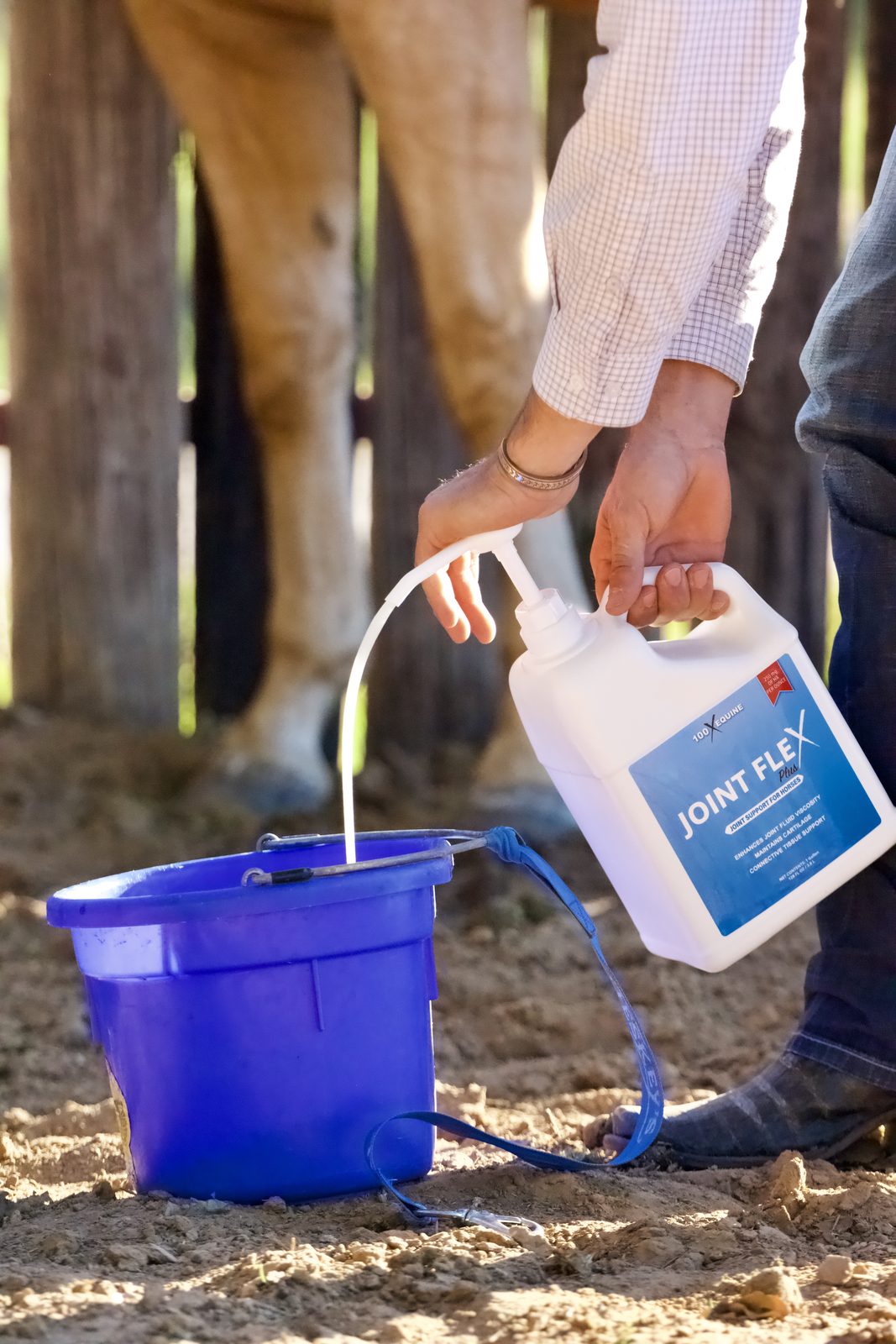
From $1.09/dayView → MobilityJoint Flex Plus
Everyday joint flexibility and comfort for performance and senior horses.
From $0.63/dayView → Topline & MuscleAmino-MAX
Amino acid support for topline, muscle development, and overall condition.
From $0.74/dayView → HydrationHydra-MAX
Electrolyte and hydration support for travel, heat, and heavy workloads.
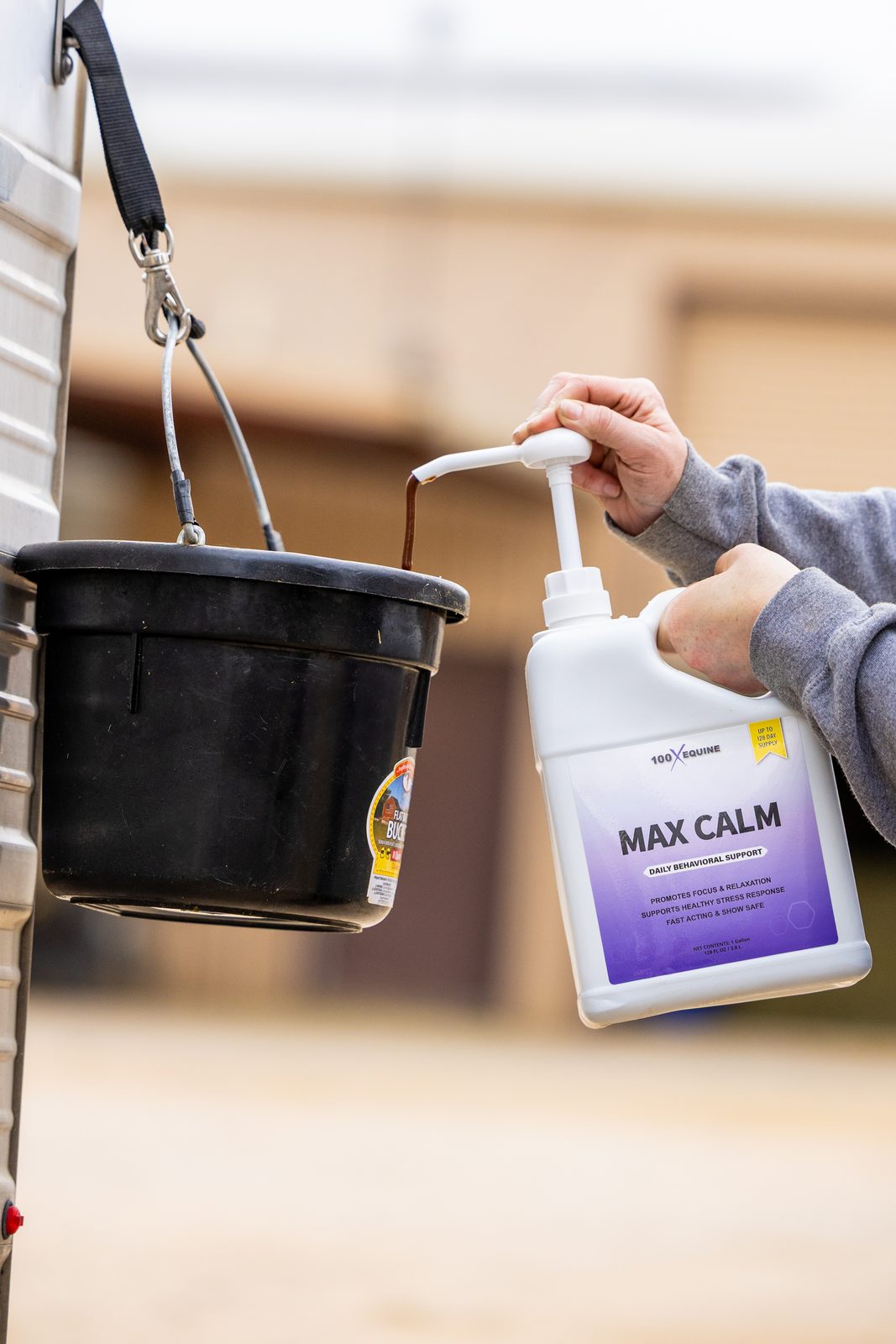
From $2.81/dayView → Calm & FocusMax Calm
Liquid calming support for focus and rideability, without the dullness.
From $0.63/dayView →The Foundation Stack
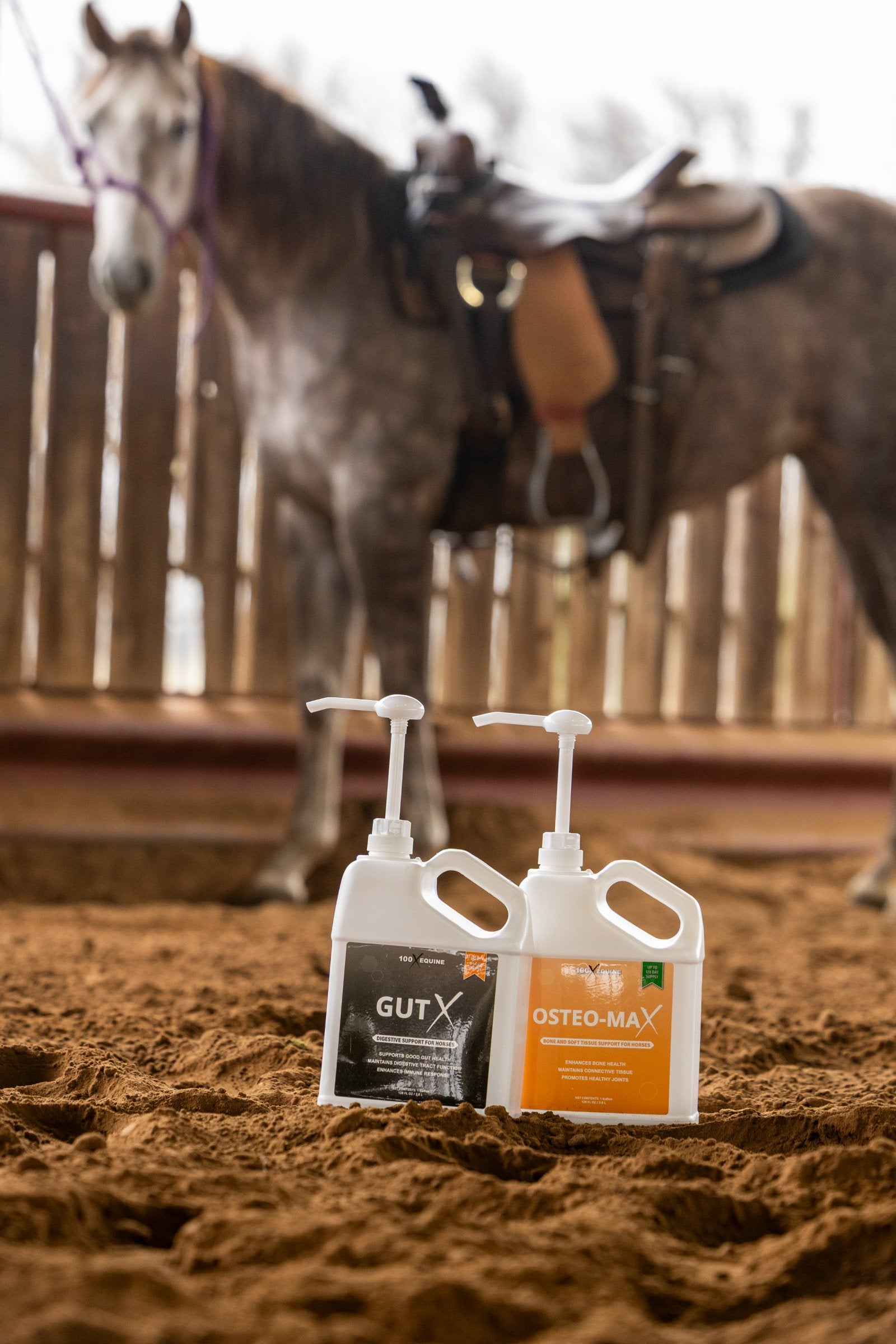
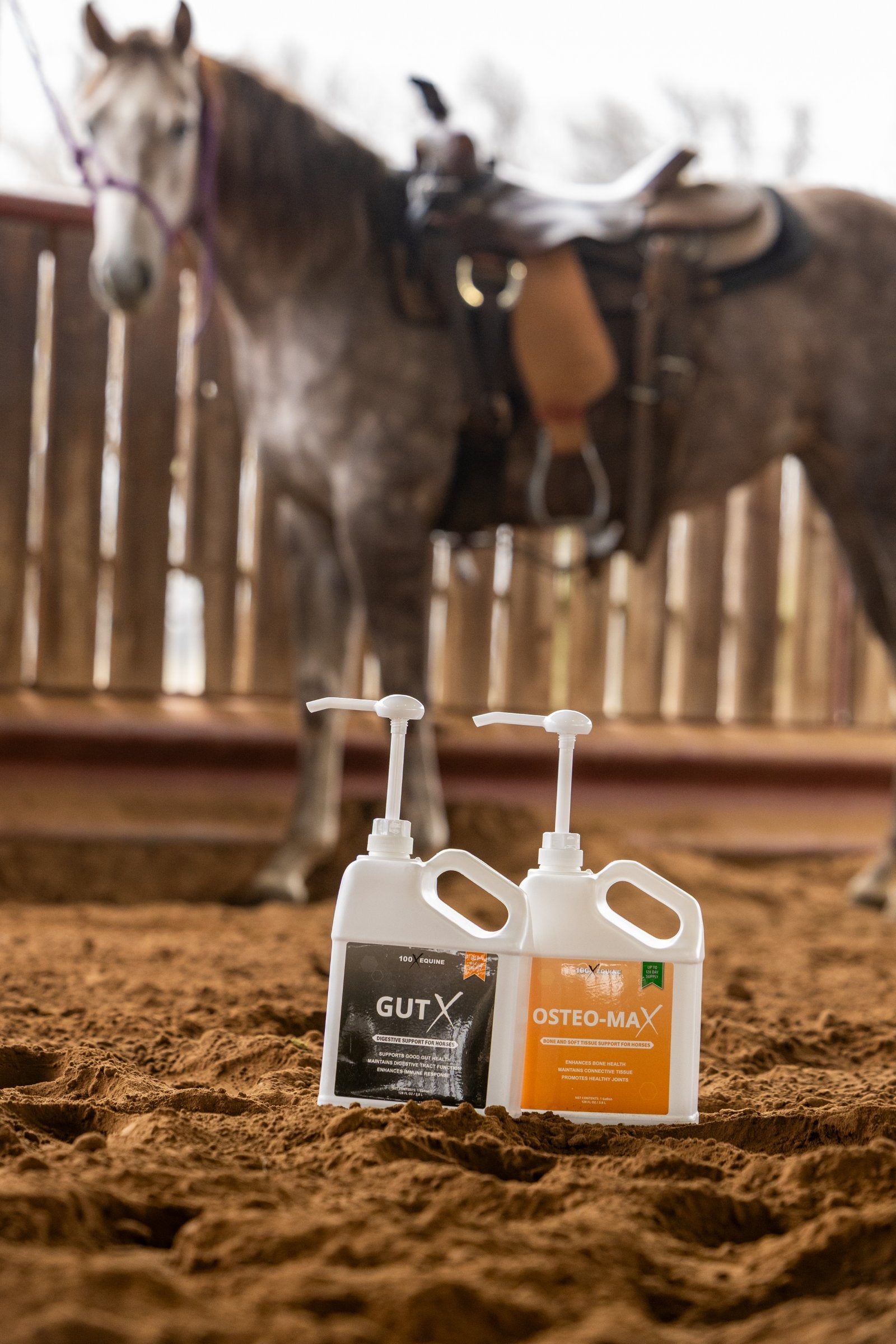
Gut X + Osteo-MAX
The Foundation Stack targets the two areas horses most often need support: gut health and joints. Gut X for the gut, Osteo-MAX for joints, soft tissue, and bone. One bundle, both covered.
The 100X approach, everywhere it works.
The same liquid-delivery science, extended to the companion animals the barn cares about and the recovery hardware that keeps every horse working.
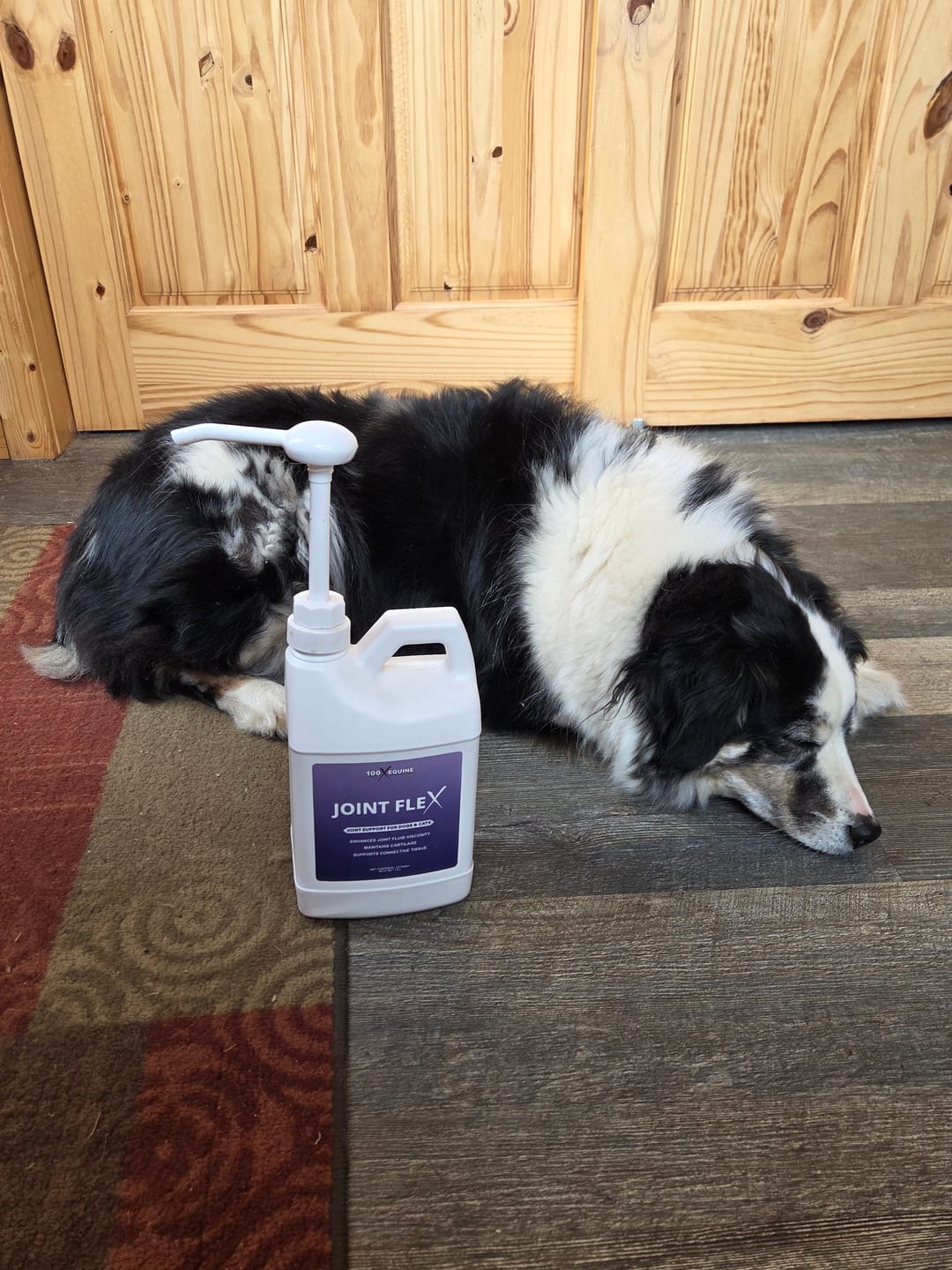 Dogs
DogsJoint Flex Canine
The same liquid joint science, formulated for working and aging dogs.
Shop for pets → Equine · Massage Therapy
EquiMassager
Percussion massage that loosens tight muscle and speeds recovery between sessions.
Explore device → Equine · Light Therapy
EquiLaser
Handheld red-light therapy for targeted recovery, built for the barn.
Explore device →Put your horse on the protocol.
Start with Gut X. Activate up to $20,000 in colic surgery coverage. Built on Dr. Peterson’s 47+ years of equine medicine.
Start with Gut XEnrollment in the 100X Colic Surgery Coverage Program is required to activate coverage. See program terms.