

Joint, Soft Tissue & Bone
Osteo-MAX
Bone density, joint integrity, and recovery for hard-working and aging horses.
$231.56

Most owners report a change in movement, comfort, and willingness to work within the first 30 days, and some sooner. Bone remodels on a longer clock than soft tissue, which is why the loading phase runs 30 to 60 days for bone support.
Osteo-MAX supplies structural nutrients that hay and grain do not provide in this form or amount: silicon as orthosilicic acid, hyaluronic acid, vitamin K2 and D3, and the amino acids collagen is built from. Fed daily, they support bone formation, joint lubrication, and connective tissue repair over time.
And if you don’t see the difference, you’re backed by our 90-day money-back guarantee.
Bone SupportJoint ComfortTendon & Ligament Support
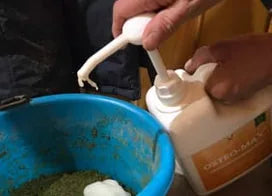
Bone, joint, and connective tissue work as one system. Osteo-MAX supports all three in one daily ounce, top-dressed over the feed you already give.
Each ounce carries silicon as orthosilicic acid, hyaluronic acid, vitamins K2 and D3, and a 6,975 mg amino acid blend, delivered in a proprietary liquid form with up to 99% availability1, 2. Powders & pellets must first break apart, hydrate, & disperse inside a moving gut, which leaves availability as low as 2.5%3.
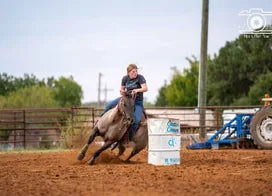
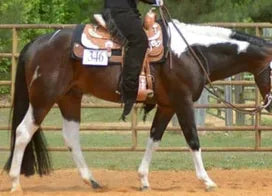
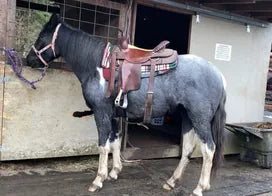
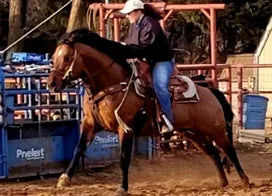
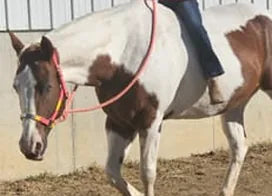
Every discipline. Every level. Real horses on Dr. Peterson’s Protocol.
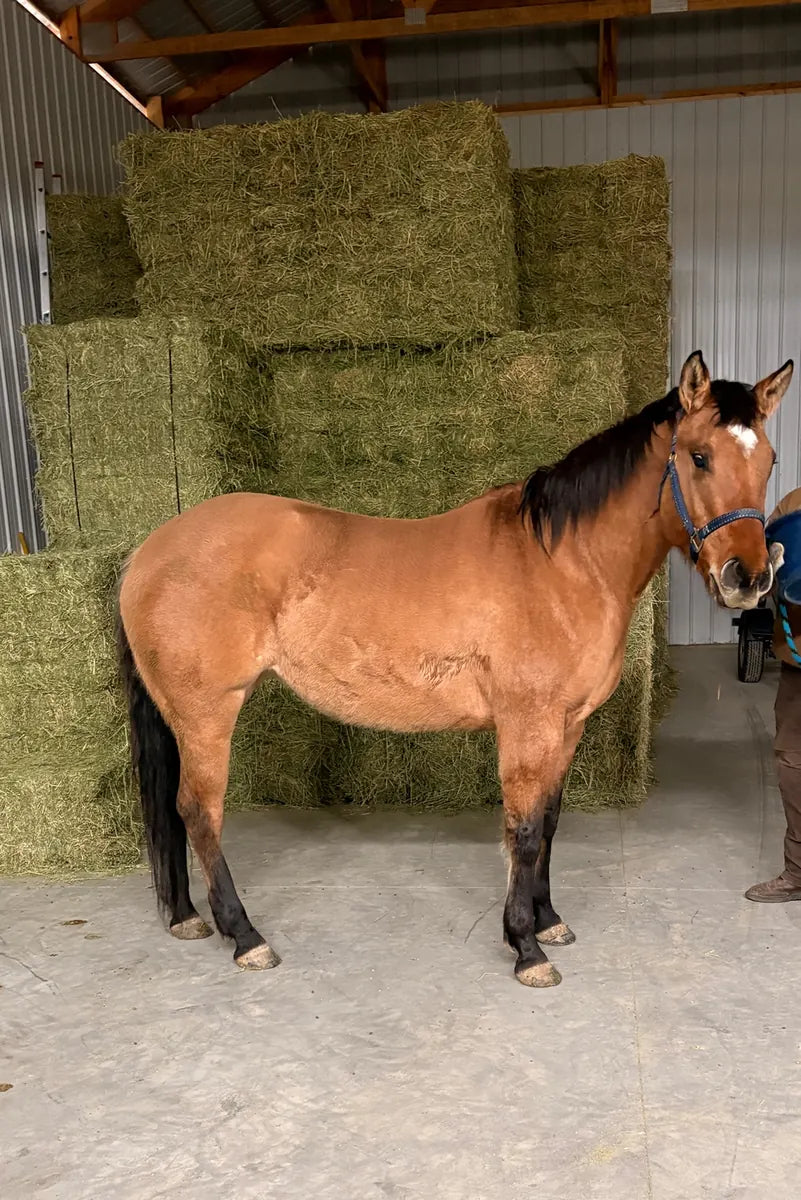
Denim, 90 days apart. Same horse, one pump a day.
Shot in March at the start of the protocol and again in June. One pump of Osteo-MAX a day through the spring.

Day 0. March, the day the protocol started.
Day 90. June, 90 days on one pump a day.
Most joint and bone supplements are powders or pellets. They have to dissolve and survive the gut before any of it counts, and most of it never does. Osteo-MAX is liquid and pre-dispersed, so it’s ready the moment it reaches the gut wall.
Oral bioavailability of administered actives. Powder/pellet figure per Du et al. (2004)1; cited in full above.
With most supplements, you pay for a full dose and your horse absorbs a fraction of it. You’re not getting what you think you’re paying for. With Osteo-MAX, what’s on the label is what reaches your horse.
The bioavailable form of silicon. Already in solution, so it arrives in the form the bone-building cells can actually use.
High molecular weight, pre-hydrated. No breakdown step to lose it in, which matters for a molecule this large.
It’s not marketing. Liquid delivery has been the standard in human medicine for decades. Osteo-MAX brings it to the barn.
The actives aren’t the differentiator, delivery is. Here’s how liquid stacks up against the pelleted and powdered joint supplements in most feed rooms.
One pump is one ounce. Every active below is listed at its amount in that ounce, with the published research it rests on. The amino acid blend is proprietary, listed at its 6,975 mg total.
A pre-dispersed liquid suspension designed to support serving consistency and reduce the dry-form disintegration step.1, 2
Supplies amino acids used in collagen and whole-body protein synthesis, including building blocks found throughout tendon, ligament, and connective tissue.3–8
Orthosilicic acid is a bioavailable form of silicon. Published work links it to type I collagen synthesis, osteoblast differentiation, bone-formation markers, and regulation of osteoclast activity.9–13
Hyaluronan is a normal component of synovial fluid and extracellular matrix. Oral HA has absorption, tissue-distribution, and clinical literature, including direct equine research.14–17
Supports activation of vitamin K-dependent proteins such as osteocalcin and matrix Gla protein, which are involved in bone mineralization and regulation of soft-tissue calcification.18–22
Biotin has direct equine evidence for supporting hoof horn quality. Because new hoof horn must grow out, visible changes are expected over months, not days.23–26
Supports calcium and phosphorus homeostasis and normal bone metabolism. Total intake from the complete ration should be considered.27–29
Load with 2 pumps a day: 30 days for soft tissue, 30 to 60 days for bone. Then settle into a once-daily maintenance pump. Two pumps a day is also recommended through heavy work, rehab, and show season.
Real members, real horses, real results. Tag #100XEquine to be featured.
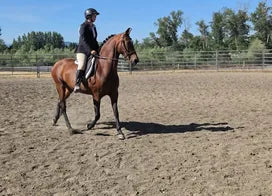

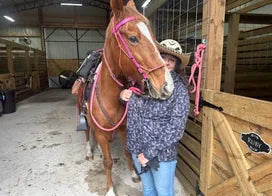
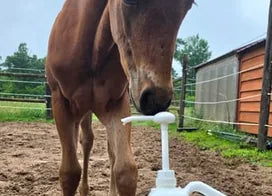
 2
2 3
3 2
2 5
5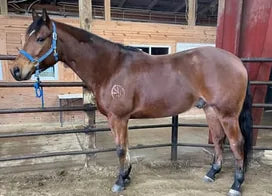


 2
2 4
4



 3
3
 3
3 2
2 2
2 2
2 3
3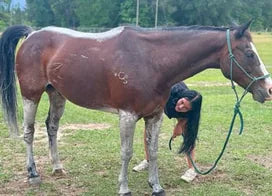


 2
2

 3
3
 2
2

The Veterinary Standard Behind 100X Equine
Dr. Russ Peterson, DVM, MS, DACVSMR, Cert. ISELP brings nearly five decades of equine medicine, sport horse performance, rehabilitation, nutrition, and clinical decision-making to 100X Equine.
As Chief Veterinary Officer, Dr. Peterson helps guide the clinical thinking behind every 100X Equine formula, from ingredient selection to dosing strategy to how those actives are delivered inside the horse.
Osteo-MAX reflects that standard: silicon as orthosilicic acid, hyaluronic acid, vitamins K2 and D3, and a 6,975 mg amino acid blend, all named on the panel and delivered in a proprietary liquid carrier built to keep them stable and ready for biological contact.
Bone, joints, tendons, and ligaments work together as one movement system. Many supplement programs address them separately. Osteo-MAX brings their nutritional support together in one daily ounce.
Orthosilicic acid, vitamin K2, and vitamin D3 support the collagen framework of bone, normal mineral metabolism, and ongoing bone remodeling.
Hyaluronan is a natural component of synovial fluid and extracellular matrix. Osteo-MAX supplies 150 mg already in solution to support normal joint lubrication and function.
A 6,975 mg amino acid blend supplies glycine, lysine, proline, and other amino acids used in collagen and protein synthesis, supporting normal maintenance and turnover of tendons, ligaments, fascia, and other connective tissues. Orthosilicic acid supports that same collagen synthesis.
Additional structural support Also supplies biotin to support hoof horn quality. Amounts are per one-ounce pump, as listed on the current Product Facts panel. See the full panel.
No prohibited substances. Osteo-MAX is USEF and FEI compliant, so it stays legal for horses competing under both rule sets.
Feed it daily for 90 days. If you don’t see the difference, we refund you, with free shipping on every order.
Put any protocol on auto-delivery and lock in a better price on every order. Pause, skip, swap, or change your delivery dates anytime, fully in your control.
Stack more and save up to 40% off. Adjust anytime.
Bone density, joint integrity, and recovery for hard-working and aging horses.
Liquid gut health and immune support, the foundation every other protocol builds on.
Everyday joint flexibility and comfort for performance and senior horses.
Amino acids for topline, muscle, and a stronger frame under saddle.
Electrolyte and hydration support for sweat, travel, and hot, hard days.
Liquid calming support for focus and rideability, without the dullness.
Start with Osteo-MAX. Bone, joint, and connective tissue support in one pump a day, built on Dr. Peterson’s 47+ years of equine medicine.
Start with Osteo-MAXFeed it daily for 90 days. If you don’t see the difference,
we refund you.
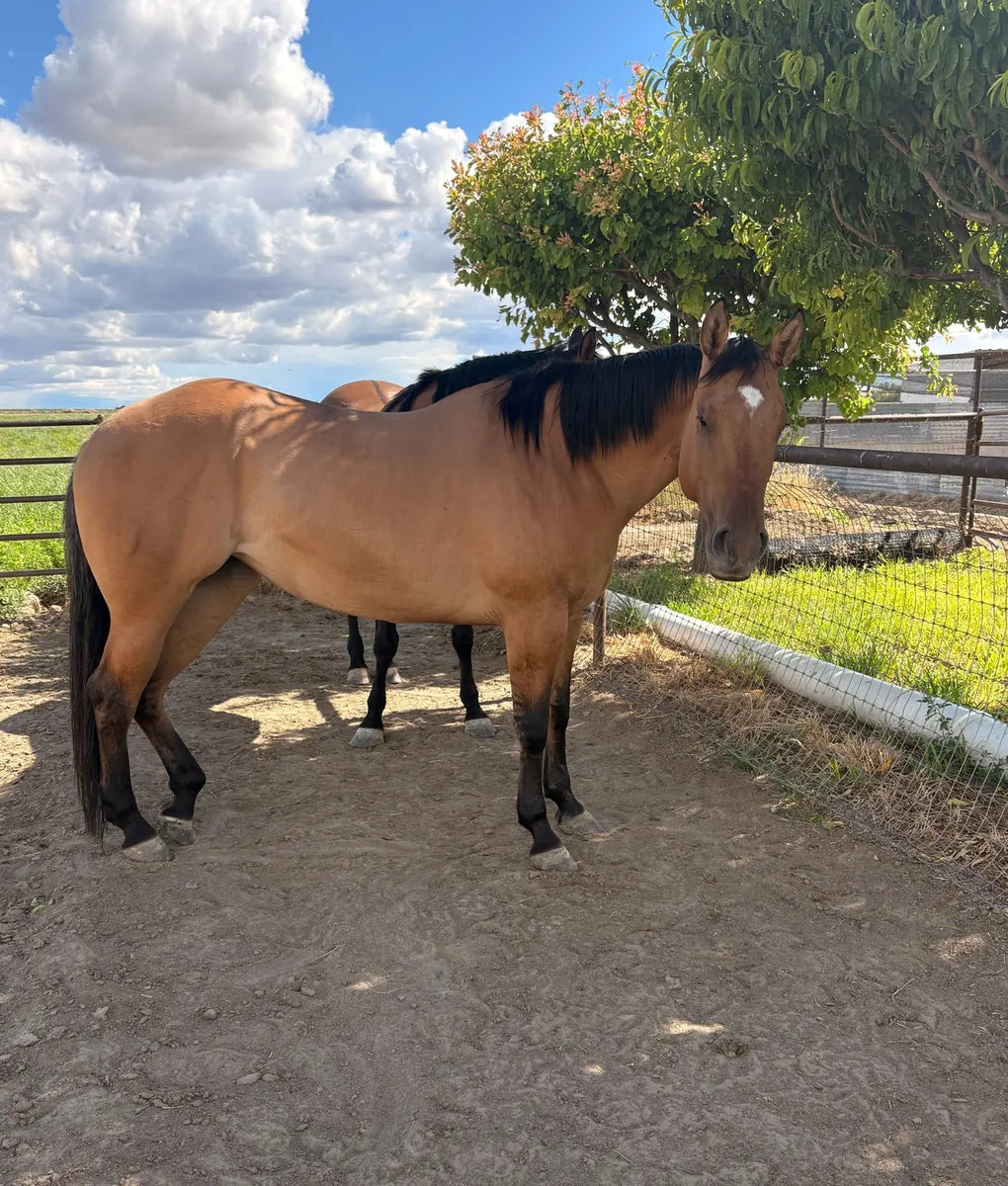


Liquid joint, soft tissue and bone support. Built for horses in hard work and horses getting older.
$1.45/day
Save up to 39% Today
FREE delivery —. Order within —
Every amount is on the label, to the milligram, with the peer-reviewed work behind it listed below. The amino blend is proprietary by ratio, and its total is still stated.
See the full labelDr. Peterson’s two-phase protocol. Load with 2 pumps a day: 30 days for soft tissue, 30 to 60 days for bone. Then settle into 1 pump a day.
Most owners notice easier movement in 2 to 3 weeks. Bone and soft tissue remodel slowly, so gains keep building through month 6.
The actives are not the differentiator, delivery is. Here is how liquid stacks up against the dry supplements in most feed rooms.
Osteo-MAX is delivered in a proprietary liquid form with up to 99% availability1,2. Powders and pellets must first break apart, hydrate and disperse into usable surface area inside a moving gut, a slow, variable process that leaves availability as low as 2.5%3.
Denim, 90 days apart. Same horse, same barn, one protocol.

Nearly five decades of equine medicine, sport horse performance, rehabilitation and nutrition. Osteo-MAX reflects that standard: seven actives with equine literature behind them, every amount on the label, and a liquid carrier built to keep them stable and dispersed.
One pump a day. Feed it for 90 days, and if your horse is not doing better, we refund you.
Subscribe & SaveFree shipping. Pause, change or cancel anytime.